Terry Fox
Terry Fox was a WORK Records volunteer researching the Robinson and Sons archive at Derbyshire Record Office. Before retirement, he worked for over 50 years in the criminal sphere of the English legal system, as a gamekeeper, policy maker and poacher! Terry enjoys studying history and, since retiring, has devoted much of his time to researching the Crimean War (1854-1856) and its connections to his home county of Derbyshire. Terry lives in Matlock.
My personal research into the Crimean War has led me to uncover some fascinating connections with the family firm of Robinson and Sons in Chesterfield, and when I saw an opportunity to volunteer for the WORK Records project, I was keen to share my expertise and deepen my knowledge.
The ‘War in the East’, as the Crimean War (1854-1856) was known, saw Britain enter combat totally unprepared for the war, typified by lack of support, equipment and supplies. Amongst the needs for ill and wounded troops were medical supplies including the most basic of needs, such as bandages.
Lint as an absorbent bandage was produced by the manual scraping of clothing. This was superceded by a manufactured product and became a much sought-after product by the British forces with orders for Crimea underpinning factory output. It was at this time that Robinson and Sons became involved through cotton and weaving production, soon becoming a leading lint manufacturer and a forerunner in the world of health products.
For Robinson and Sons, it all started with a small pill box manufacturing business set up by John Bradbury Robinson at his home in Chesterfield in 1839; a business that was later transformed by his eldest son, William Bradbury Robinson, who patented a design for a mechanised lint-making machine in July 1854.
Through my personal research, a hypothesis developed: that Robinson and Sons - a company that grew to become a family dynasty and a major employer in Chesterfield - owes its origin to the Crimean War and the production of lint. This is something I have written about in detail, and I’ve also developed a series of talks on the subject which I have presented locally in Derbyshire.
My interest in Robinson and Sons started here, and I was keen to find out more about the company’s history. As I began my research, volunteering with WORK Records, I unearthed many Robinson family patents and production records at Derbyshire Record Office - too many to list - but one early production story captured the interest of project artist Kate, and I set out to focus on that in more detail.
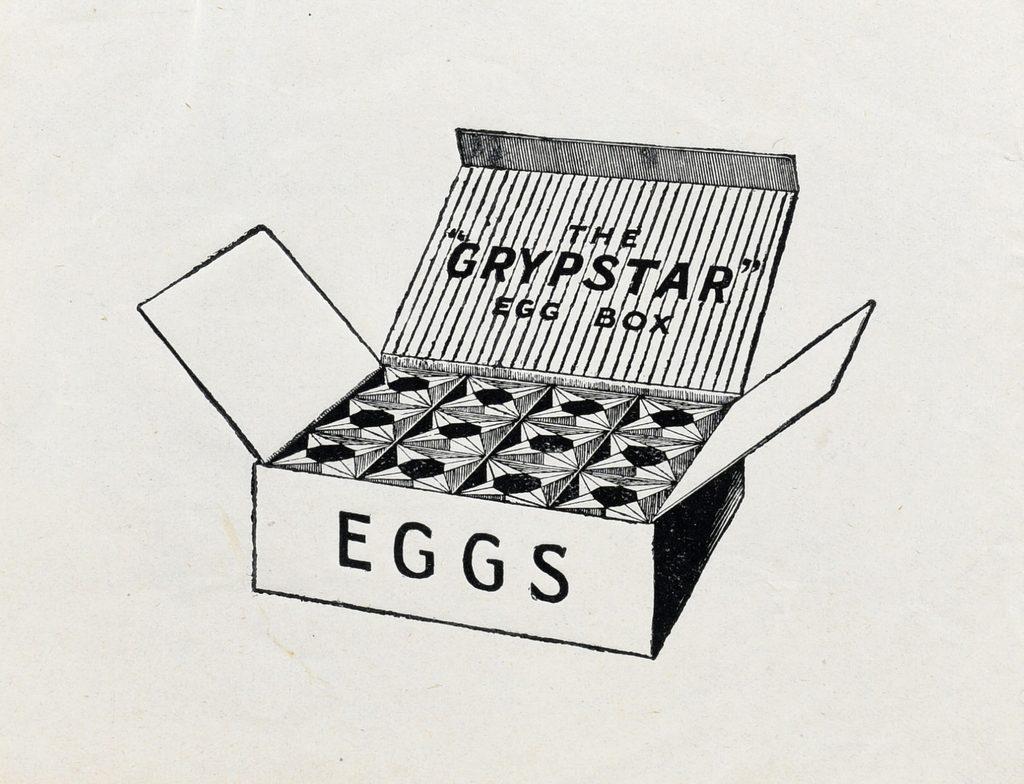
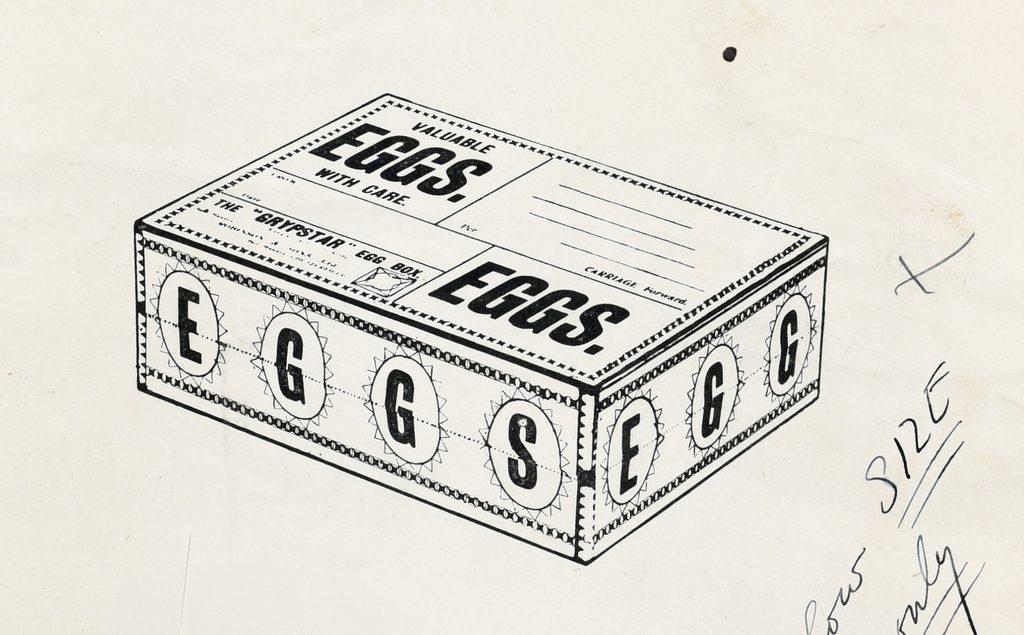
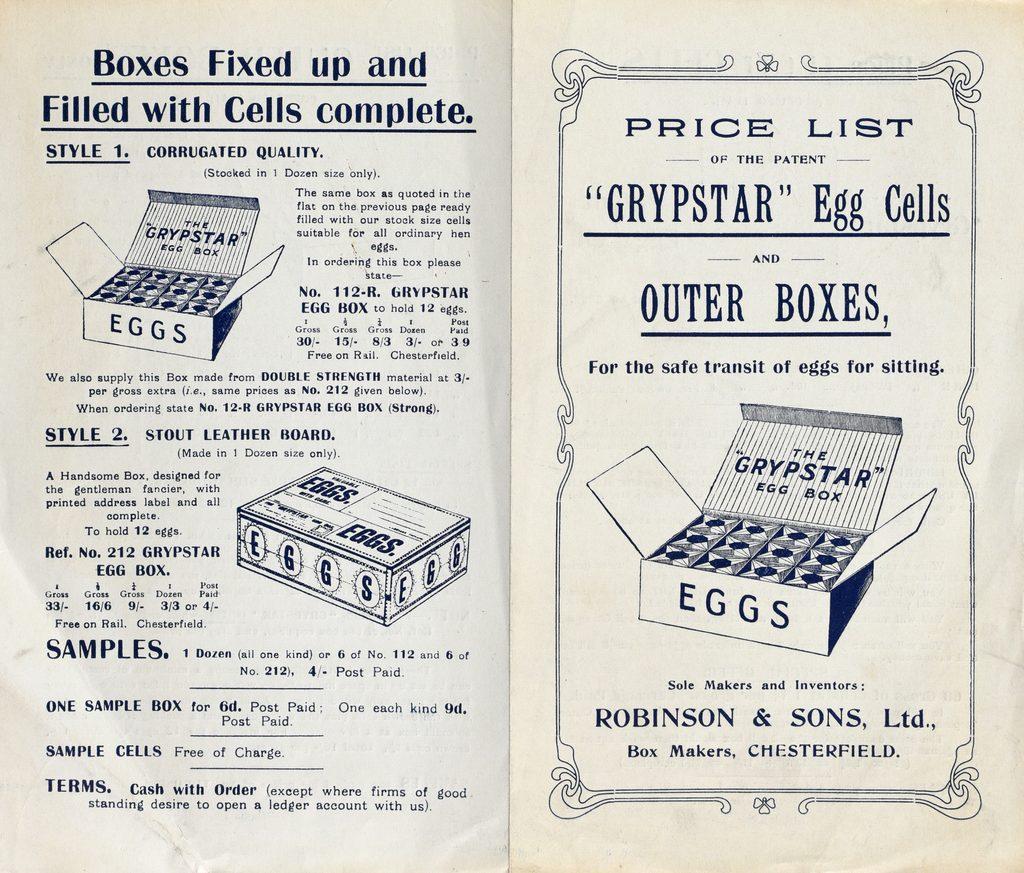
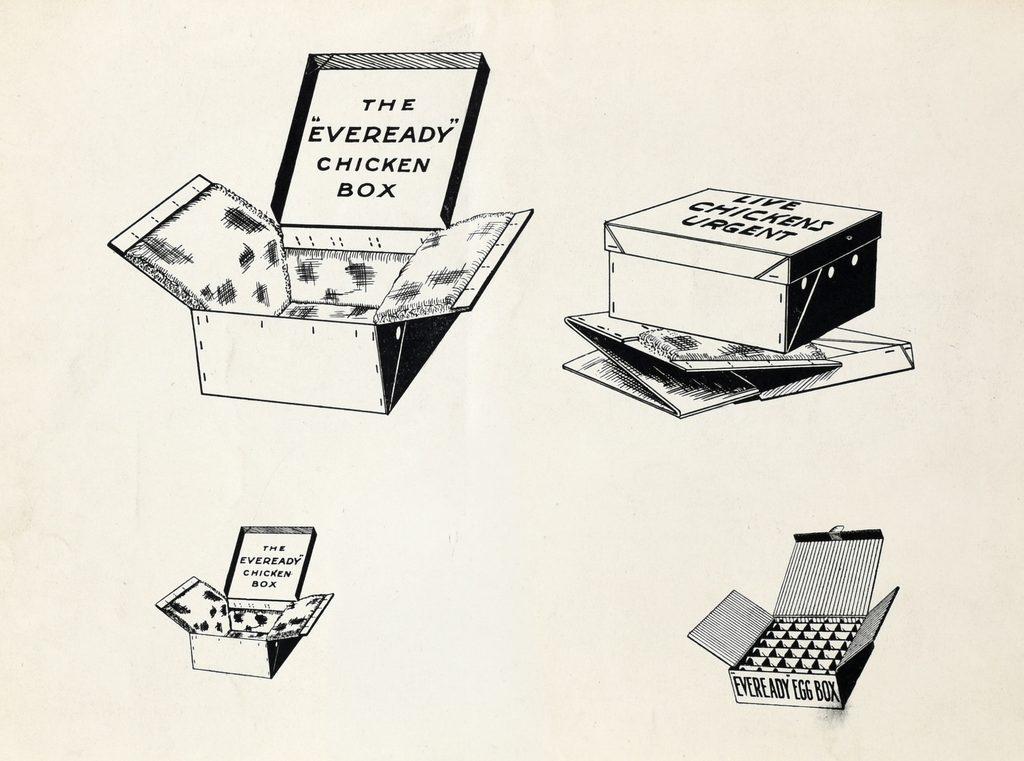
In the early 20th century, we discovered that Robinsons had developed a series of packaging products to safely transport live chicks and eggs. The papers I uncovered, dating between 1908 and 1912, contained all sorts of production details, including patent registrations and applications, along with correspondence and ideas for marketing.
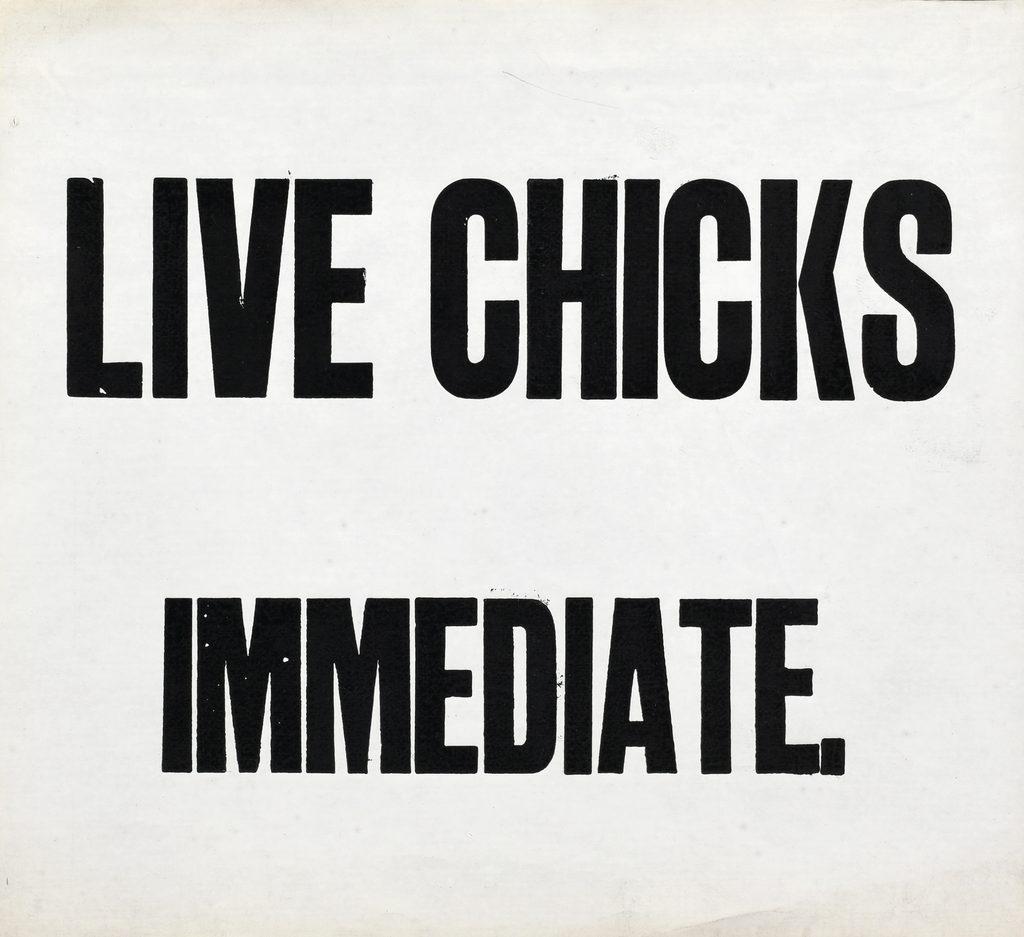
Robinsons was innovative, having submitted patents in 1911 for improved box designs to enhance the welfare of live chicks transported by rail. Their compartmentalised cardboard boxes were designed to be loosely lined with wadding to protect the chicks from draughts and provide warmth and, not to miss a trick, Robinsons’ specification showed they could supply not only the boxes but the wadding as well.
Samples and pricelists were received from James Marshall in Aberdeen, another company making egg/chick transport boxes at the same time, but there was no evidence Robinsons wanted a trading partnership. Instead, these revealed more entrepreneurial motivations; a company researching its competitors and ‘upping the game’.
I found examples of artwork and promotional materials in the archive; printed line drawings of egg/chick boxes and mock-ups of adverts. These showed that Robinsons undertook its own design and research, even developing dynamic trade names for the products such as ‘GRYPSTAR’ and ‘Eveready’. A sample ‘GRYPSTAR’ box was made up with documents showing an order for box prototypes from The Packing Materials Company in Ashton Under Lyne, but then the trail went cold.
At Derbyshire Record Office at least, there was no further record of production or sales to be found for the egg/chick boxes, and the company moved on to other concerns with the outbreak of World War I. Although my research into ‘GRYPSTAR’ and ‘Eveready’ finished here, it was fascinating to capture a small snapshot of production history at Robinsons and to see the company’s innovative and enterprising spirit shine through; something that’s come up repeatedly throughout the project.
My involvement with the WORK Records project has provided me the opportunity to engage in research through a group environment in which I have been able to receive peer guidance, as well as becoming involved in and contributing to an important review of social history. This has been a positive experience and one I’d recommend to those with a similar interest; not only helping with my core research into the Crimean War, but opening many rabbit-holes through which to wander.