Our WORK Records TIMELINE places the East Midlands working lives in a wider context. Alongside key moments in the histories of John Smedley, Robinson and Sons, Stewarts & Lloyds, it notes wider industrial, political, national and world events, as well as cultural landmarks. Links will take you to other websites for further exploration.
The timeline was been developed with our project historian Dr Stefan Ramsden, Dr Kathleen McIlvenna at University of Derby, and the WORK Records team at Animate: Gary Thomas, Vicky Washington, Isobel Wallis and Christine Thomas.
1204
King John grants the market charter, formalising Chesterfield as a trading hub.
1585 Corby Pole Fair
Held every 20 years, and established, according to one version of history, when Queen Elizabeth I is rescued from a bog by villagers and grants a charter exempting locals from tolls and militia service.
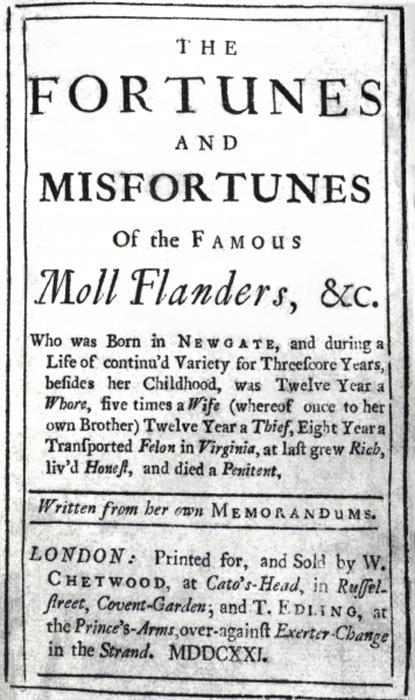
1722 Moll Flanders
Set in the 1600s, Daniel Defoe's novel recounts the adventures of "a lusty and strong-willed woman, from earliest childhood, to make her own way in 17th century England" and "Life of Continu'd Variety.."
1729 A Modest Proposal
Jonathan Swift's satirical essay describes the plight of impoverished communities in Ireland and proposes that the Irish sell their children as food for the rich to ease their economic burden.
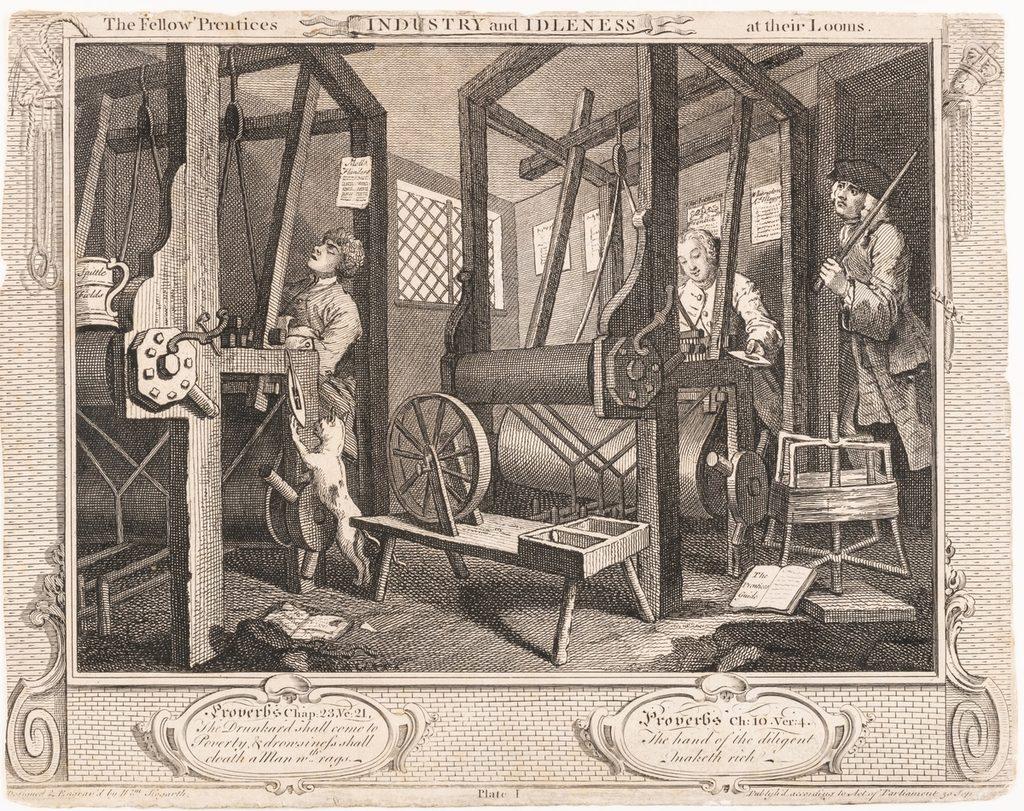
1747 Industry and Idleness
William Hogarth’s set of 12 engravings narrates the contrasting paths of hardworking and lazy apprentices, shaping their destinies in later life. Scriptural passages, mainly from Proverbs, accompany each scene. In this plate the industrious apprentice works while the idle apprentice faces the disapproval of his angered master.
1771 - 1777 North Street, Cromford
Richard Arkwright and Co builds North Street, Cromford, the world’s earliest planned industrial workers' housing.
1775 -1783 The American Revolutionary War
1784 John Smedley
John Smedley (the elder) and Peter Nightingale (a relative of Florence Nightingale) set up Lea Mills - still home to John Smedley - producing muslin and spinning cotton to send out to local cottages with hand frame looms.
1789 – 1799 The French Revolution
The French Revolution
1808 - 1826 Spanish American Wars of Independence
Spanish American Wars of Independence
Spanish American Wars of Independence
Spanish American Wars of Independence
1811 - 1816 Luddites
Luddism and industrial unrest in Derbyshire - frame-smashing occurs in several Derbyshire villages as workers protested the mechanisation of the textile industry.
9 - 10 June 1817 The Pentrich Uprising
In "England's Last Revolution" framework knitters and iron workers march from South Wingfield in Derbyshire to Nottingham, protesting poor working conditions, high food prices and demanding political reform including universal male suffrage.
1817 "Invention of the cardboard box"
The fake persona Sir Malcolm Thornhill first appeared on Wikipedia in 2007, credited as the inventor of the cardboard box, in a prank intended to discredit the online encyclopedia.
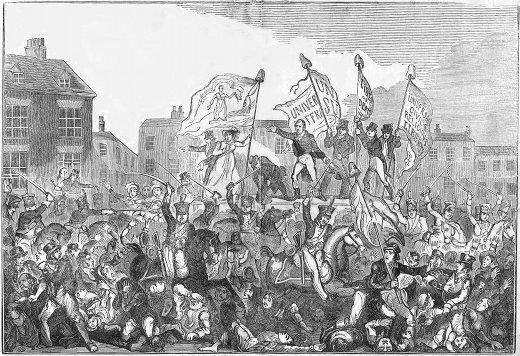
16 August 1819 The Peterloo Massacre
60,000 working class people gathered at St Peter’s Field in central Manchester to demand political representation at a time when only wealthy landowners could vote. Their peaceful protest turned bloody when Manchester magistrates ordered a private militia paid for by rich locals to storm the crowd with sabres. 18 people died and hundreds more were injured.
1823 Master and Servant Act
..makes it a criminal offence for a workman to be disobedient and allows calling for strikes to be punishable as an aggravated breach of contract.
1825 Smedley Long Johns
John Smedley (the younger) takes over the running of Lea Mill and expands operations, adapting the woollen spinning mill to produce cotton and wool yarns, from which the company’s knitters make high quality knitwear.
Using one of the first ever fully fashioned knitting machines, Smedley creates Long Johns - believed to take their name from John Smedley himself.
You can find A Brief History of Long Underwear at Heddels.
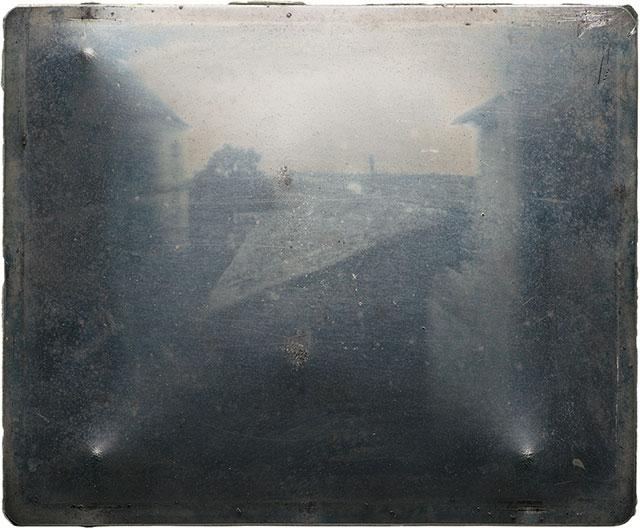
1826 View from the window at Le Gras
The earliest surviving photograph, taken by French inventor Joseph Nicéphore Niépce. A milestone in human history - the first time an image was captured and permanently preserved without any manual intervention.
1833 The Abolition of Slavery Act
An Act for the Abolition of Slavery throughout the British Colonies converts enslaved people into apprentice labourers and takes steps to protect their work and wellbeing. When the Act came into effect on 1 August 1834, owners had to complete forms recording the numbers and value of enslaved people in their possession to claim compensation.
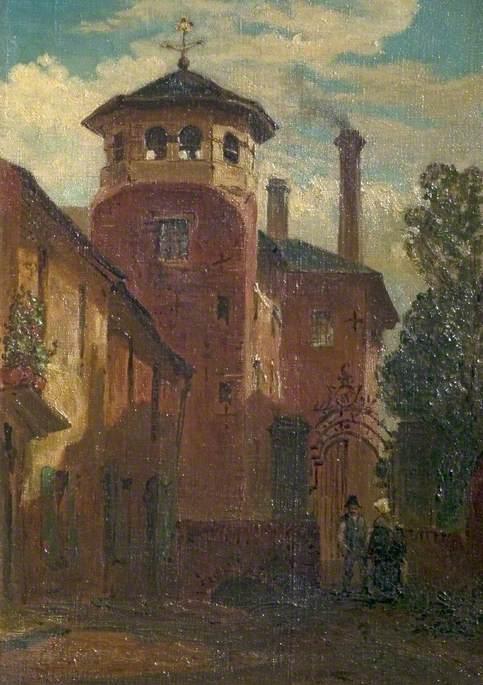
1833 - 1834 The Derby Silk Mill Lock Out
In Britain's first major industrial dispute, over 2,000 workers are locked out from work for refusing to renounce their trade union membership. The Silk Mill is now home to Derby Museum of Making. The Lock Out is commemorated every year at the Silk Mill Turn Out.
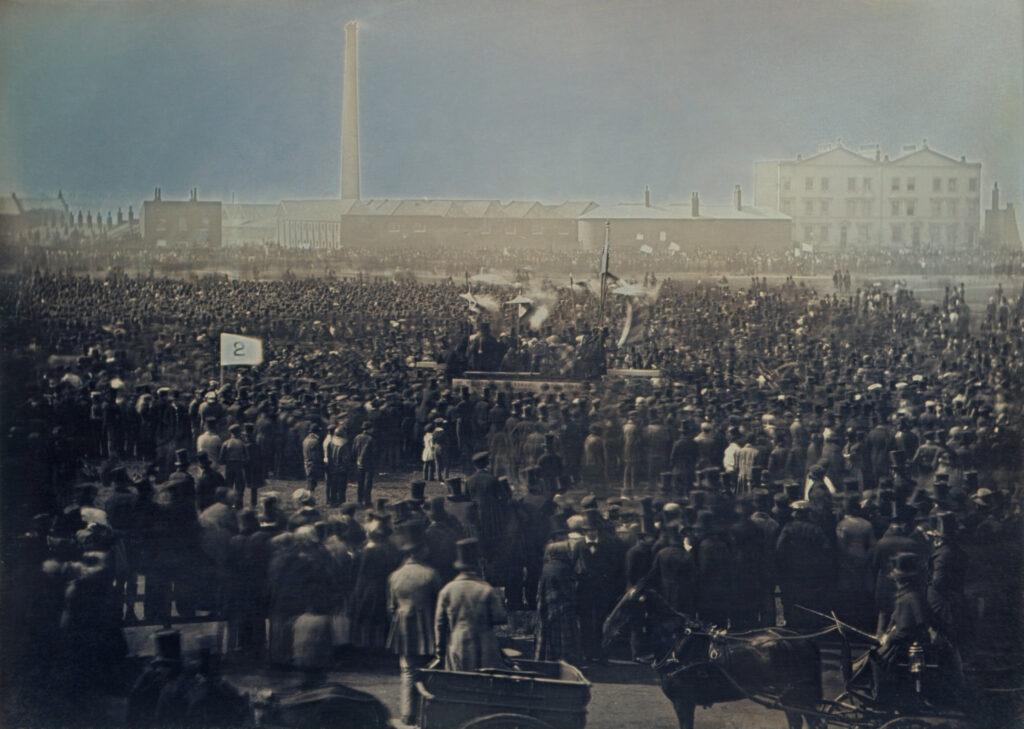
1830s - 1840s The Chartist Movement
Following the failed Derby Silk Mill Lockout, working-class politics in the area shifts towards the campaign for the People's Charter, reflecting a growing desire for genuine political representation, and away from purely trade disputes.
1833 The Factory Act
The Factory Acts were a series of laws passed by the UK Parliament between 1802 and 1961 to regulate working hours, minimum ages, safety, and welfare in factories.
The 1833 Factory Act banned child labour under age nine in most textile mills, set a maximum working week of 48 hours for those aged 9 to 13, l limited working hours for older children, and mandated two hours of daily schooling. It created the first professional Factory Inspectorate.
1834 Grand National Consolidated Union
Devised by Welsh textile manufacturer, philanthropist and social reformer Robert Owen (1771 - 1858), the GNCTU was an early, but shortlived attempt to establish a national union confederation.
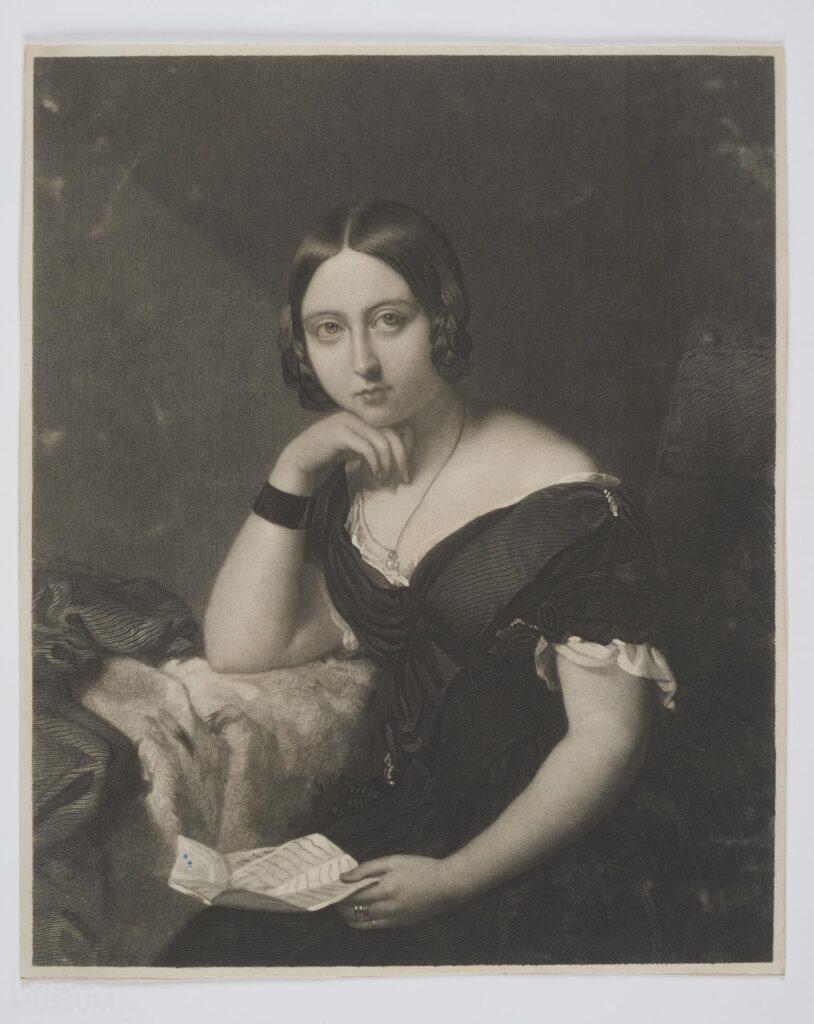
1837 Queen Victoria ascends the throne
1837 Stitching sacks
Peter Marsh establishes an industrial sack manufacturing company in Liverpool, at first for local merchants, millers and exporters. "At a time when British goods were flowing out to every corner of the empire, reliable packaging was not just useful, it was essential. From flour and grain to chemicals and construction materials, the humble sack underpinned industries that built modern Britain." The Peter Marsh Group, now based in Bootle, continues manufacturing sacks today.
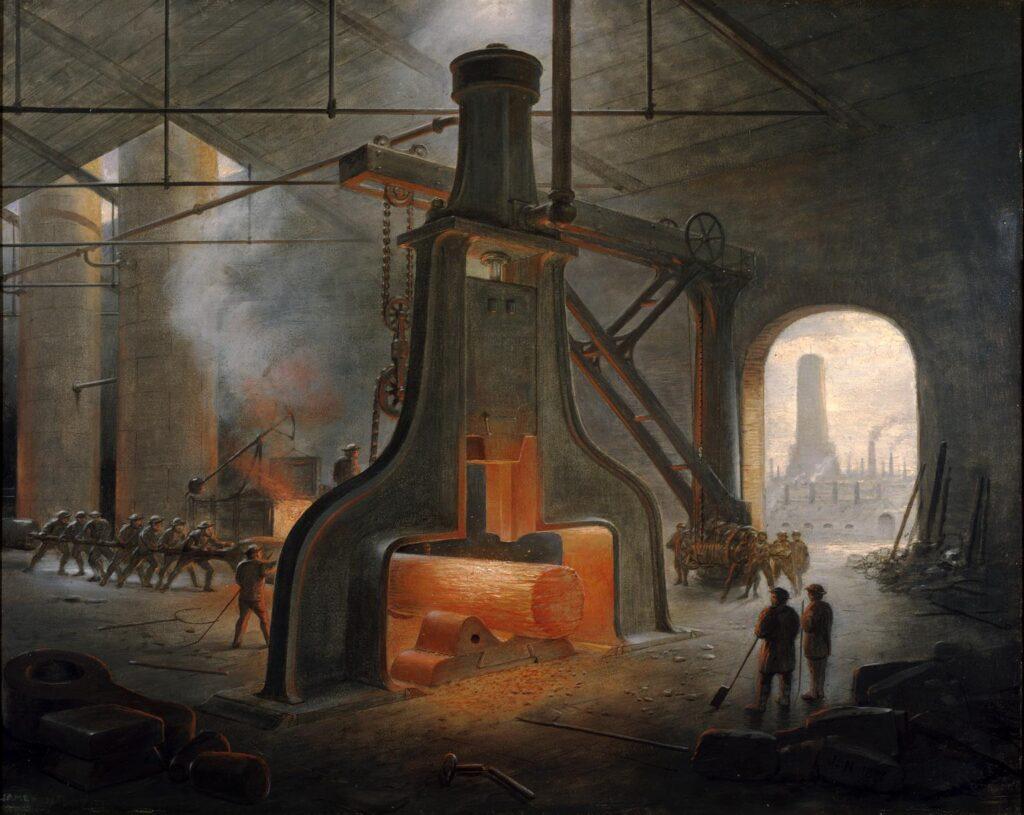
1839 The Steam Hammer
Scottish engineer James Nasmyth invents the steam hammer, allowing for the precise forging and shaping of large, heavy steel components, crucial for infrastructure development.
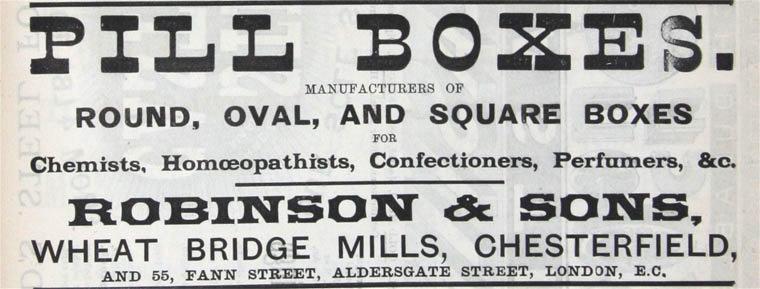
1839 Robinson and Sons Ltd founded
John Bradbury Robinson buys a round box business in Chesterfield and founds Robinson and Sons Ltd, who begin by producing pill boxes.
1840s Chromolithography
Previously, images had been printed in black and white and coloured by hand. Chromolithography used a separate limestone block or metal plate for each individual hue – allowing for full-colour, detailed labels on packaging.
1842 The Mines and Collieries Bill
Prohibits all underground work for women and girls, and for boys under 10.
1845 The Condition of the Working Class in England
A study of the industrial working class in Victorian England by German philosopher Friedrich Engels, following a stay in Salford and Manchester, compiling Engels’ own observations and detailed contemporary reports. Originally written in German, an English translation was published in 1887.
Engels (1820 – 1895) was a German philosopher, social and political theorist, and revolutionary socialist, known for his lifelong collaboration with Karl Marx, with whom he co-authored The Communist Manifesto (1848).
1846 Robinsons diversifies
1846
Manufacture of square boxes made from chip and pasteboard and round willow boxes for ointments are introduced and the company diversify into surgical dressings.
1849 Shirley
Charlotte Brontë's novel is set in Yorkshire in 1811 – 1812, during the industrial depression resulting from the Napoleonic Wars and the War of 1812 between Britain and the United States.
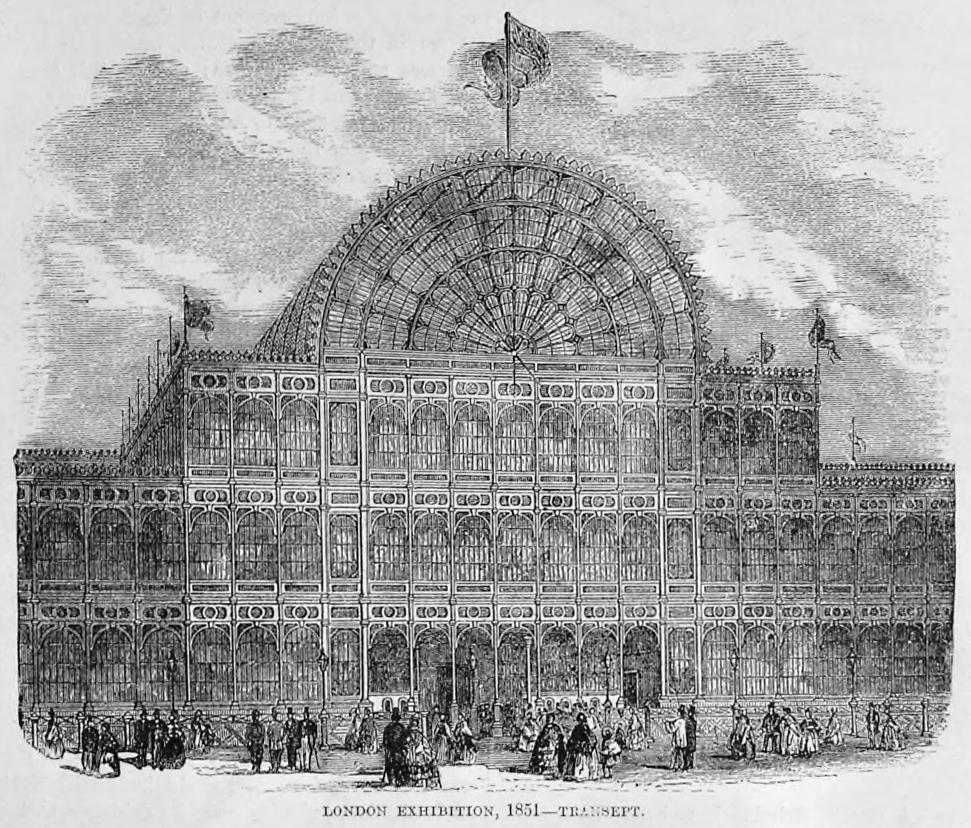
1851 The Great Exhibition
"Over one long summer, millions of people travelled to London to visit the first ever international exhibition showcasing industry, raw materials, art and design from Britain and abroad."
1853 – 1856 The Crimean War, cardigans, dressings
Fought by an alliance of Britain, France, Turkey and Sardinia against Russia, the Crimean War was the only major European conflict the Army engaged in between 1816 and 1914.
The cardigan takes its name from James Brudenell, the 7th Earl of Cardigan, a British Army officer during the Crimean War. Officers wore knitted wool garments beneath their uniforms for added warmth, and the style later became associated with the Earl's title.
In the 1850s, Robinson's started to produce surgical dressings needed to treat the many wounded soldiers.
1854 Hard Times
Charles Dickens's shortest novel, and the only one with no scenes in London. Set in Coketown, a fictitious Northern English mill town, it surveys English society and satirises its social and economic conditions.
1856 Bessemer Converter
Invented and patented by Henry Bessemer in 1856, the revolutionary Bessemer process - blowing air through molten pig iron to burn off impurities - converted iron into steel. Read about the process it here. Stewarts and Lloyds would be a massive integrated steelworks featuring blast furnaces and Basic Bessemer steel converters.
1856 Corrugated paper
Edward Healey and Edward Ellis Allen patent corrugated paper in London, originally intended as a lining to stiffen Victorian tall hats. Read a history of cardboard here.
1857 - 1859 Northampton Dispute
A major period of dispute marks the transition from hand-working to mechanisation. While hand techniques persisted, factory working becomes the norm in towns including Northampton, Kettering, Wellingborough, Rushden, and Daventry. The 1857 dispute between the town’s shoemakers and manufacturers was the beginning of a transition period which saw the end of large-scale hand-making techniques in favour of machine produced shoes.
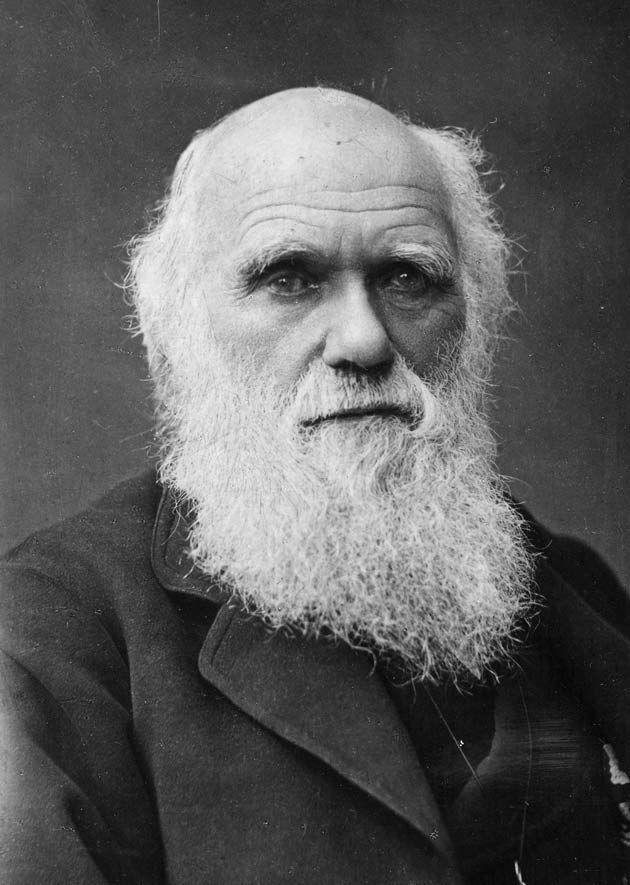
1859 On the Origin of the Species
On the Origin of Species by Means of Natural Selection, or the Preservation of Favoured Races in the Struggle for Life by English naturalist Charles Darwin is the foundation of evolutionary biology.
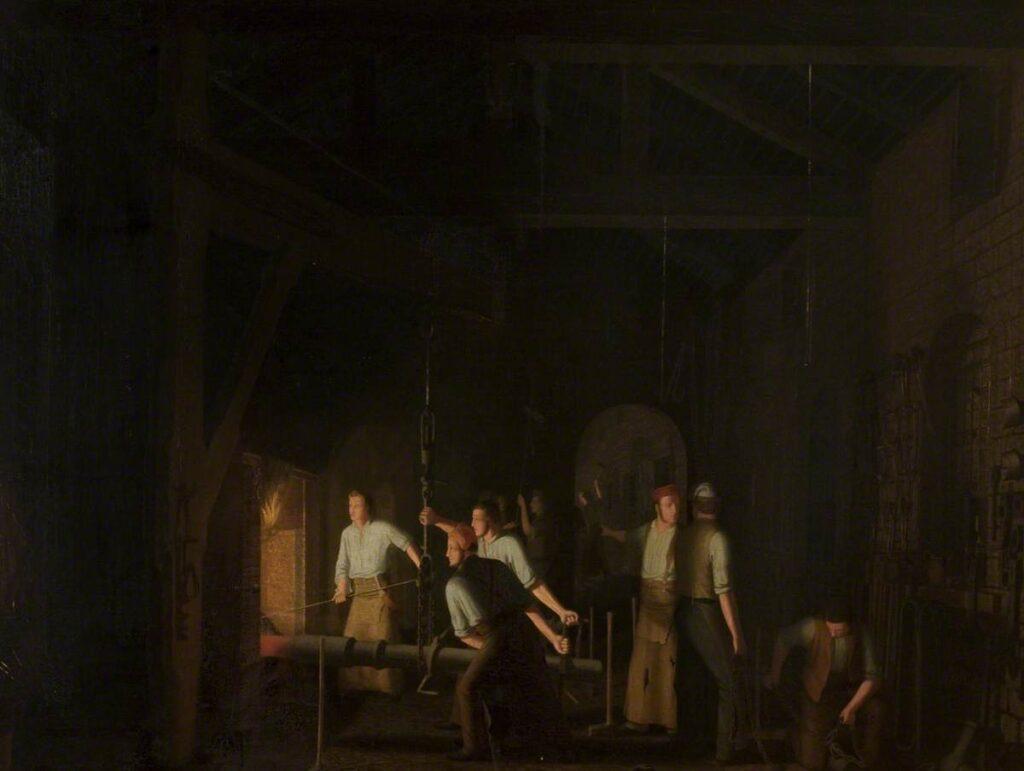
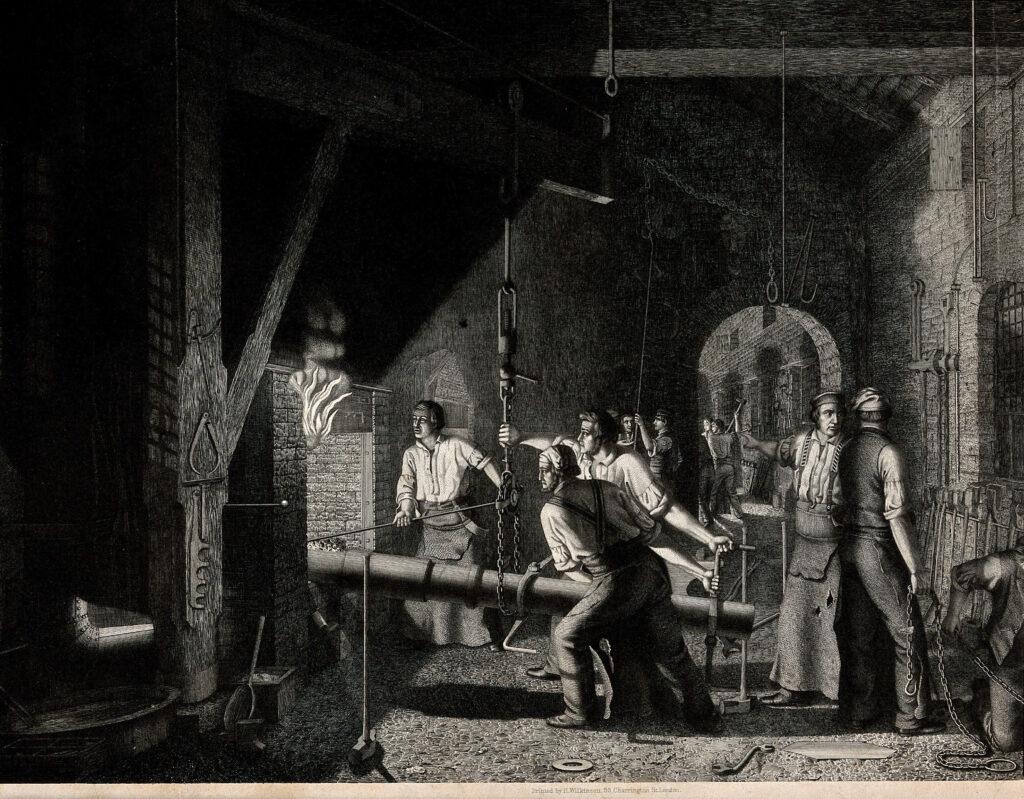
1859 The Forge
James Sharples (1825 – 1893) was a Yorkshire blacksmith and self-taught artist and engraver. His best known work, The Forge, depicts the interior of a large workshop at an iron foundry. The original oil painting (1847) is in the collection of Blackburn Museum and Art Gallery. Sharples made the engraving in 1859.
Sharples wrote: "The picture simply represents the interior of a large workshop such as I have been accustomed to work in.” (Oxford dictionary of national biography)
1860s Robinson and Sons
William Bradbury Robinson (1826-1911) and Charles Portland Robinson (1844-1916) join the business as partners and the company became Robinson and Sons. The company begins to produce medical cotton wool
1861 – 1865 The Amercian Civil War
Decades of controversy over slavery came to a head when Lincoln, a Republican who opposed slavery's expansion, won the 1860 presidential election. Seven slave states in the South responded to Lincoln's victory by seceding from the United States and forming the Confederate States. The Confederate States seized United States forts and other federal assets in the South. The war began on April 12, 1861, when the Confederate States bombarded Fort Sumter in South Carolina. A wave of enthusiasm for war swept over the North and South, as military recruitment soared.
Before the civil war, America supplied 80 per cent of the raw material for Britain’s largest industry, the cotton trade. During the war, this fell to almost zero.
1864 Cotton's Patent
Loughborough based William Cotton patents his automatic fully-fashioned knitting machine, which will become widely adopted in Britain.
1870
Britain has 23,000 factories, employing around 2 million workers
1871 Trade Union Act
Landmark legislation passed by William Gladstone's Liberal government fully legalises trade unions for the first time, and becomes the foundational framework for organised labour and collective bargaining.
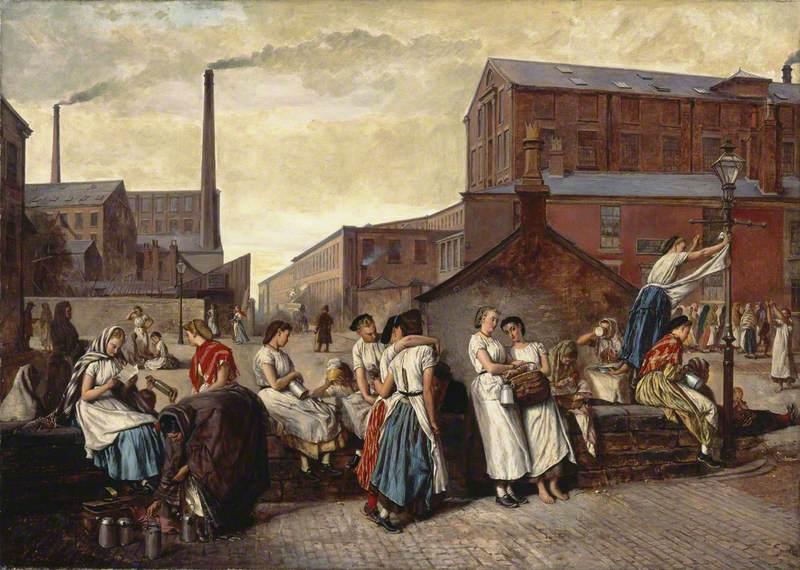
1874 The Dinner Hour
Eyre Crow's painting, in the Manchester Art Gallery collection, depicts a group of women factory workers eating, drinking and chatting. CC BY-NC-ND
1876 Jay Bird
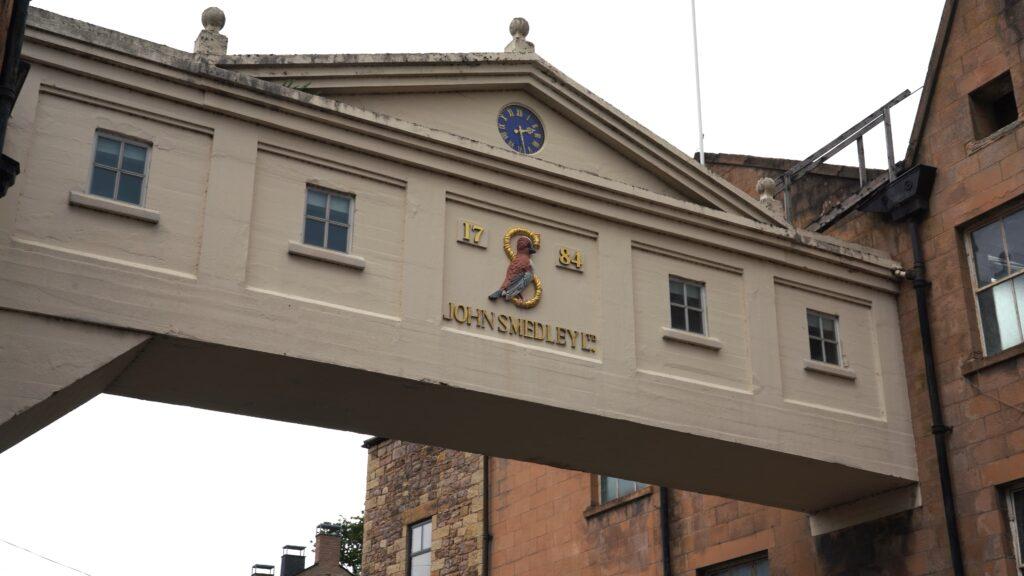
John Smedley registers the ‘Jay Bird’ Trademark, which becomes synonymous with the brand.
‘Cotton’s Patent’ fully-fashioned knitting frames are installed, worked initially by steam and later, by electricity.
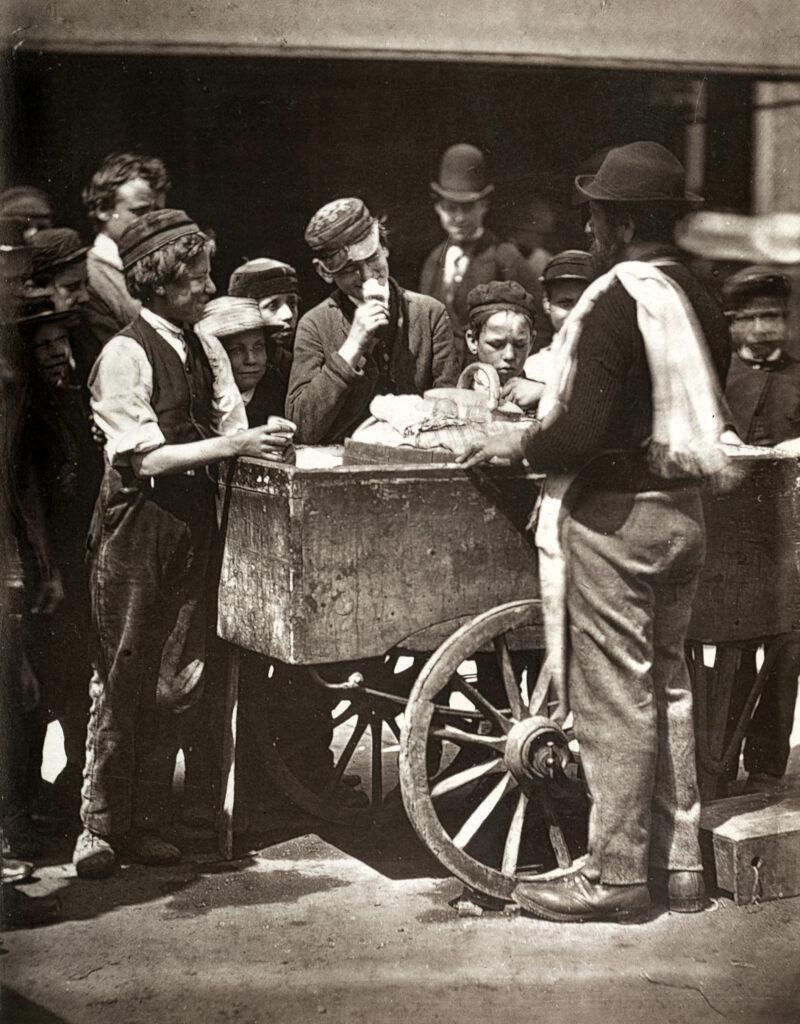
1877 Street Life in London
John Thomson’s 1877 book Street Life in London shows us the workers, traders and shop-owners who lined the streets of 19th-century London. In 37 photographs and a set of articles written by journalist Adolphe Smith, we get a treasure trove of details about these people’s work, their hopes, their concerns and the state of the city they lived in.
1878 The Factory and Workshop Act
The Act consolidated and expanded 16 previous acts. It raised the minimum working age to 10, and restricted maximum weekly working hours for women to 60. Sunday work was prohibited for protected groups (children, young persons, women), and set standardised meal times and work shifts. It required compulsory school attendance for employed children and mandaged that factories and workshops be kept clean and free from "drain or privvy effluvia).
1897 Workmen's Compensation Act
Shifts the burden of proof for workplace injuries from employees to employers. for workplace injuries. [1]
Workmen’s Compensation Act, compensating workers for injuries and illnesses caused by work. The Act was later replaced and expanded by the Workmen's Compensation Act 1906, which introduced mandatory employer insurance and broadened occupational coverage. The framework remained foundational until the state took over broader responsibility through the National Insurance system in 1946.
1879 The cardboard box
Scottish Amercian printer Robert Gair, accidentally invents the pre-cut, creased cardboard box when a metal ruler on his printing press shifted and cut seed bags instead of creasing them
1880 – 1914
A decline in family owned, paternalistic firms in Britain and a shift to limited liability corporations.
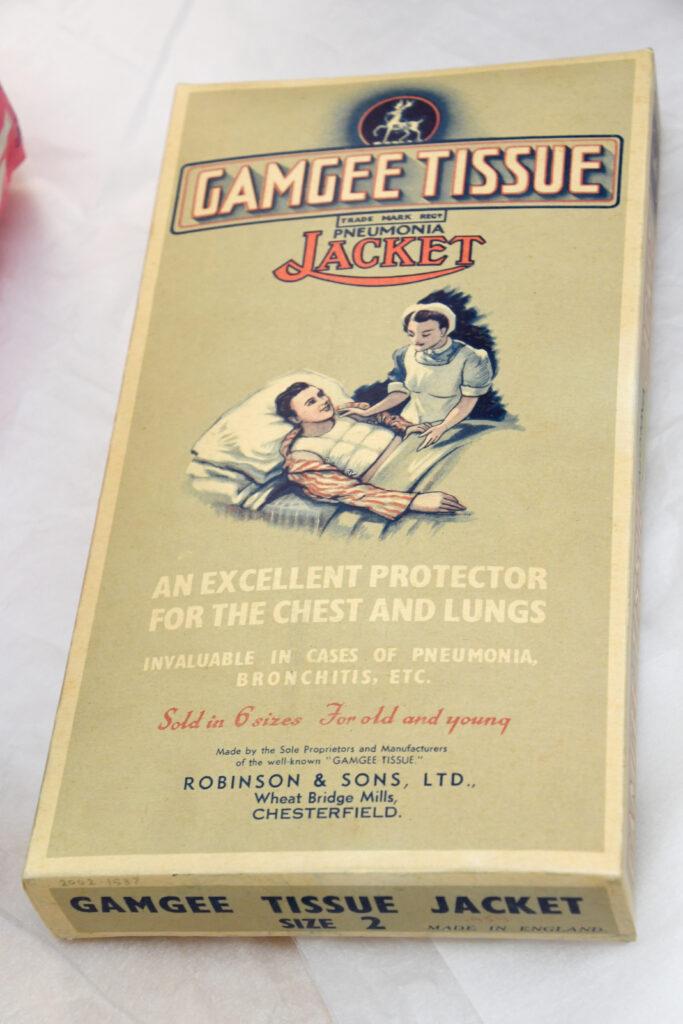
1880s Gamgee
Robinson and Sons acquires the patent for Gamgee tissue, a major advancement in surgical dressings.
1880 Light
Thomas Edison patents the first commercially practical and long-lasting incandescent light bulb.
1885 Wheatbridge
The official opening of the Robinson and Sons Wheatbridge Factory, introducing the mass manufacture of surgical dressings, lint, and bandages to the site. The company becomes the economic bedrock of Lower Brampton, leading to a massive complex employing thousands along the River Hipper, creating employee housing (the Wheatbridge Housing Association) and local social hubs.
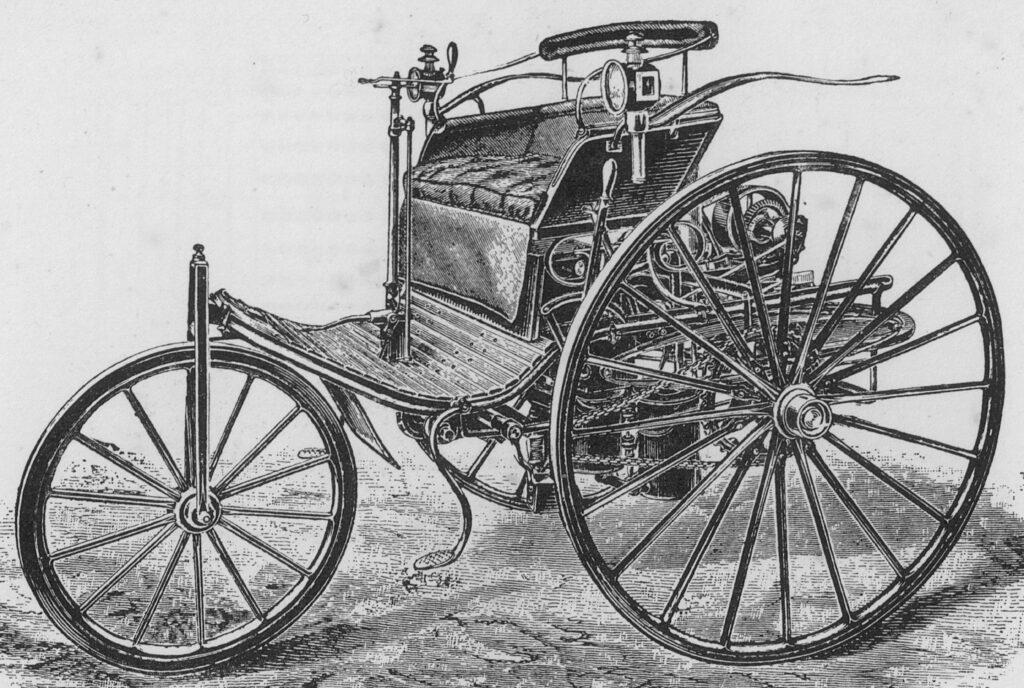
1886 Cars
The Benz Patent-Motorwagen, the first modern car, is patented by German engineer Carl Benz.
The first practical motor car: Benz Patent-Motorwagen Nr. 2, 1886
1889 - 1902 Anglo-Boer Wars
Between 1899 and 1902, the British Army fought a bitter colonial war against the Boers in South Africa. Although outnumbered, the Boers were a skilled and determined enemy. After initial setbacks and a long period of guerrilla warfare, the British eventually prevailed, but not without adopting controversial tactics.
1889 John Bertram Marsden-Smedley comes of age
John Bertram Marsden-Smedley inherits the company on his 21st Birthday, to become the head of a hosiery and spinning business with more than 1,000 workers.
1893 John Smedley Limited
John Smedley is formally incorporated as a private limited company on 28 November 1893.
1895 - 1914 Employers' Associations
During the late 19th and early 20th centuries, employers transitioned from acting independently to forming unified coalitions, in response to the growing power of organised labour. From 1895 to the outbreak of the First World War, the number increased from 336 to 1,487. Here's a list of current employers' associations in the UK.
1896 Walton Works
Robinson and Sons acquires Walton Works on Chatsworth Road to expand surgical dressings and cotton wool production.
1901 Queen Victoria dies.
King Edward VII ascends the throne, having spent nearly 60 years as the Prince of Wales, longer than any previous heir apparent in British history.
1901 Factory and Workshop Act
The Factory and Workshop Act 1901 was a landmark piece of labour legislation that consolidated and expanded decades of Victorian workplace regulations. It established a comprehensive national code for industrial health, safety, and welfare that remained the standard until the Factories Act 1937.
1903 Stewarts & Lloyds established
1903
Stewarts & Lloyds is established through the amalgamation of two of the largest iron and steel makers in Britain: A & J Stewart & Menzies, in Coatbridge, North Lanarkshire, Scotland, and Lloyd & Lloyd, in Birmingham, England
1905 Raunds Strike and March
Raunds, in Northamptonshire, was a major centre for book and shoe manufacturing When the Boer War ended, and demand dropped, a dispute about wages paid to army bookmakers culminated in a strike and a march to London.
1906 Standardised Patterns
Weldon's Practical Needlework established standard abbreviations for knitting patterns, enabling mass-participation in home knitting. Find out more about pattern publishing in the early 20th Century from the Knitting & Crochet Guild.
1906 Workmen’s Compensation Act 1906
The legislation fundamentally transforms workplace injuries rights and employer liability. Workers injured in an accident arising "out of and in the course of the employment" became entitled to compensation without needing to prove that their employer was negligent. Though liability was difficult and costly to prove, and compensation was denied if the injury was attributable to the worker's own "serious and wilful misconduct" (unless it resulted in death or serious/permanent disablement).
1907 Bakelite
Belgian-born chemist Leo Baekeland invents Bakelite, in Yonkers, New York. It is the first fully synthetic, thermosetting plastic, and can be molded to any shape.
1907 At the Works
At the Works: A Study of a Manufacturing Town written by Florence Bell, is published. The "outcome of an intercourse of nearly thirty years with a large population of ironworkers in the north of Yorkshire". At the Works compassionately reflects on evidence gathered by Lady Bell and her stepdaughter Gertrude Bell on the welfare of working-class people in Middlesborough.
1908 Rolls Royce opens a new factory in Derby
Established in 1904 in Manchester, Rolls Royce was incorporated in 1906, and opened a new factory in Derby in 1908, primarily to manufacture the Rolls Royce 40/50 HP motor car, which later became known as the Silver Ghost.
1908 Old Age Pensions Act
Establishes the first taxpayer-funded state old-age pension system in the United Kingdom: a weekly pension of 5 shillings for individuals, or 7 shillings and 6 pence for married couples, with a qualifying age of 70. Recipients had to pass a "character test" and were disqualified for reasons including recent prison sentences, being convicted under the Inebriates Act, or intentionally depriving themselves of income to qualify.
1909 Trade Boards Act
Introduces legally enforceable minimum wages to combat exploitative low pay, known as "sweating". Initially covers chain-making, ready-made tailoring, paper-box making, and machine-made lace and finishing trades, and later expands to other low-wage and unskilled manual industries.
1911 National Insurance Act
Following lengthy national debate and the Royal Commission on the Poor Laws, set up to work out the best way to alleviate the economic and societal hardship faced by the poor, the National Insurance Act 1911 created a national system of insurance to protect working people against loss of income relating to sickness or unemployment (thereby reducing the demand on Poor Law assistance).
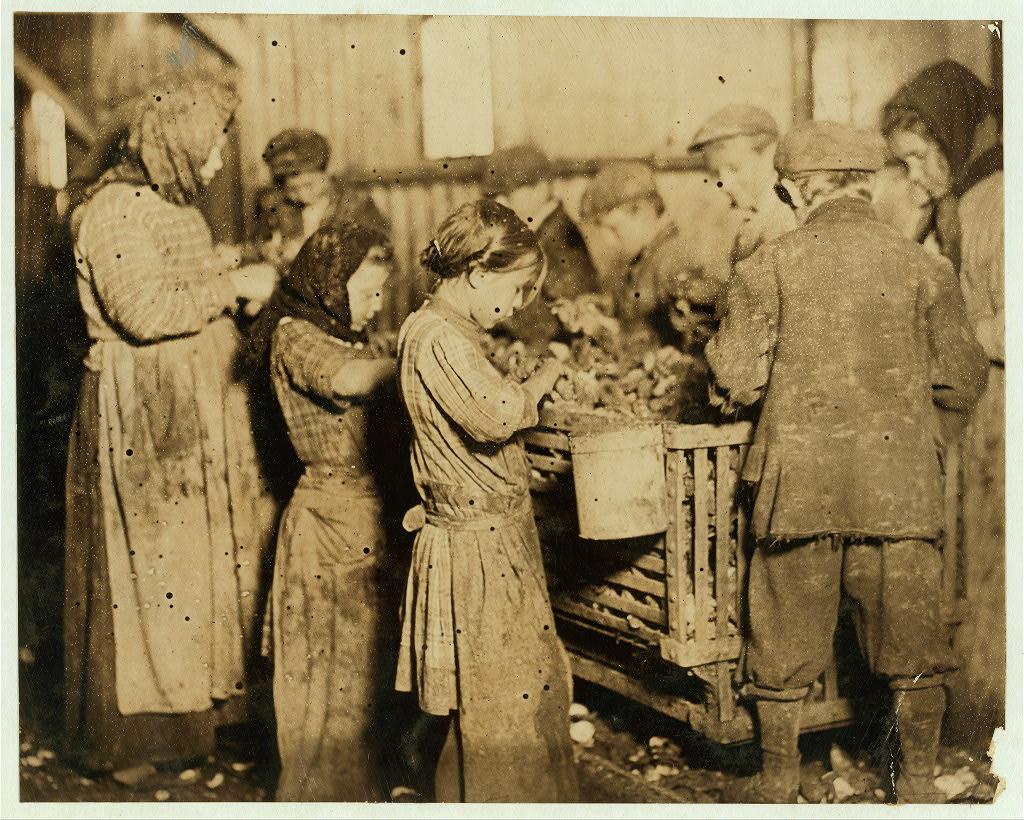
1913 Lewis Hine
In the United States, working as an investigative photographer for the National Child Labor Committee (NCLC), Lewis Hine (1874-1940) documents working and living conditions of children in the United States between 1908 and 1924. Hine documented over 5,100 photographs of children as young as three working in mills, coal mines, canneries, and sweatshops. The photographs galvanized public outrage, contributing to the passage of state-level labor restrictions, the 1916 Keating-Owen Child Labor Act, and eventually the federal Fair Labor Standards Act of 1938.
1913 Stainless Steel invented
At Brown Firth Laboratories in Sheffield, Harry Brearley invents "rustless steel" creating a global standard for cutlery and engineering, and enabling affordable cutlery to be produced through an expansion of the city's cutlery trade.
1914 – 1918 The First World War: Comforts
Knitting becomes a national patriotic duty with millions of 'comforts' (socks, hats, gloves) hand-knitted for troops by civilians.
1914 - 1950 Scientific Management
In 1911, American mechanical engineer Frederick Winslow Taylor publishes his monograph The Principles of Scientific Management, arguing that flaws in a given work process could be scientifically solved through improved management methods and that the best way to increase labour productivity was to optimise the manner in which the work was done. Older forms of employer paternalism survives in smaller and medium sized firms.
Whilst British trade unions and workers historically resisted rigid Taylorist methods, viewing them as an exploitation of labour that degraded craftsmanship and treated humans like machines, it persists across the UK economy - logistics hubs and automated warehousing to corporate performance metrics, gig-economy tracking, and productivity-first service sectors.
1917 The Russian Revolution
Ends 300 years of Romanov dynastic rule, removes Russia from the First World War, and leads to the creation of the Soviet Union.
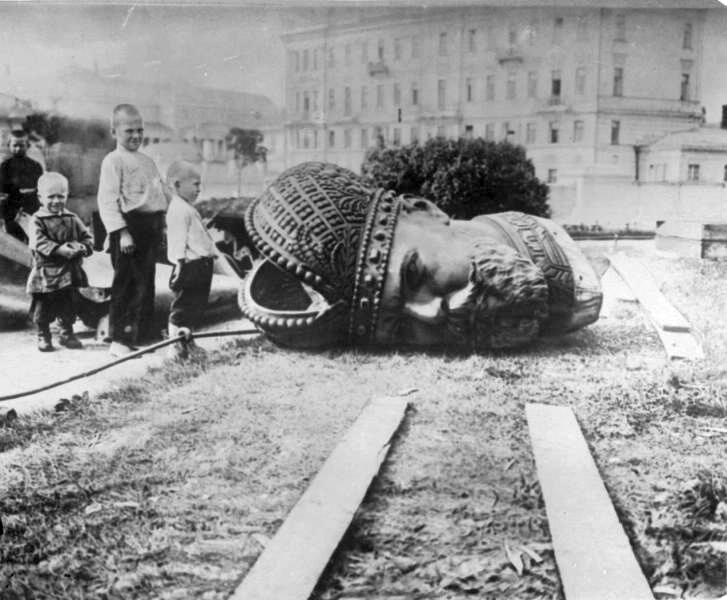
1918 Representation of the People Act
Gives the vote to 8.5 million women over the age of 30 who meet a property qualification, about two thirds of the total population of women in the UK. The same Act gave the vote to all men over the age of 21.
1919 The Addison Act
The Housing, Town Planning, &c. Act, named after Dr. Christopher Addison, the Minister of Health and Housing under Prime Minister David Lloyd George, made public housing a national responsibility and launched the modern era of council housing.
Lloyd George promised half a million new homes, though economic cuts in the 1920s meant around 213,000 were eventually built under this specific act.
1919 Wheatbridge Housing Association
Led by Robinson and Sons director Philip Moffat Robinson, the association was created specifically to help the company's workforce access low-cost, affordable housing during a period of industrial expansion.
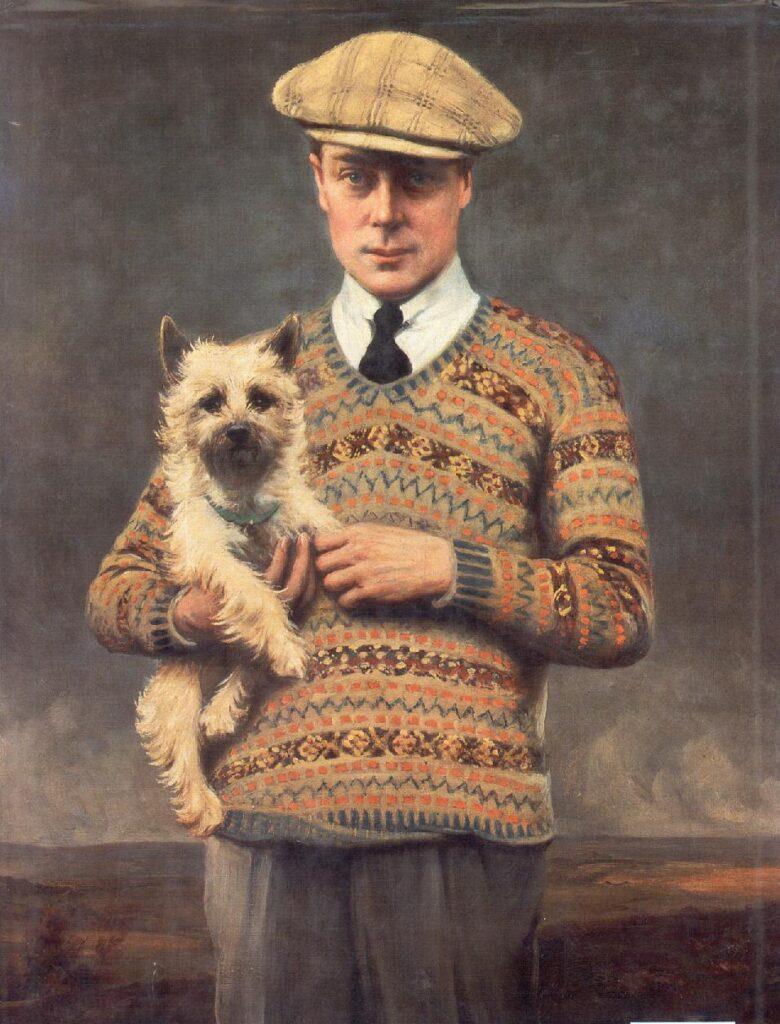
1920s The Fair Isle Craze
The Prince of Wales (later Edward VIII) popularises Fair Isle jumpers, making knitted patterned vests and pullovers a staple of fashionable casualwear.
1920 - 1922 Recession
A sharp deflationary economic contraction in the UK, USA and other countries, with the shift from a wartime economy to a peacetime market creating major supply-and-demand imbalances, and a labour force surge as millions of returning soldiers re-enter the workforce.
1926 The General Strike
On 3 May 1926, Britain’s miners go on strike and in a move of solidarity, workers from other industries join them. The first ever general strike in Britain, by 4 May the number of strikers had reached 1.5 million.
1928 Penicillin discovered
Discovered by Scottish bacteriologist Alexander Fleming at St. Mary's Hospital in London, penicillin is purified and proven effective in 1940 by Howard Florey and Ernst Boris Chain. It dramatically lowers mortality from once-dreaded diseases like pneumonia, rheumatic fever, strep throat, meningitis, and syphilis. Mass production during World War II cut wounded soldiers' bacterial infection mortality by 15% and prevented countless amputations. Fleming, Florey, and Chain were awarded the 1945 Nobel Prize in Physiology or Medicine.
1929 Wall Street Crash
The Wall Street Stock market crash triggers the Great Depression in the USA, a persistent economic slump throughout the 1930s, marked by unemployment, social distress and poverty. British exports fell by half between 1929 and 1931 as global demand plummeted and foreign tariffs rose. By 1932, the number of unemployed workers in the UK is around 3.5 million.
1932 24 Brook Street
1932
John Smedley opens a showroom at 24 Brook Street, London with a salesforce recruited to sell Smedley goods to quality stores both in the UK and abroad. The first John Smedley retail store opens at the same address in July 2000.
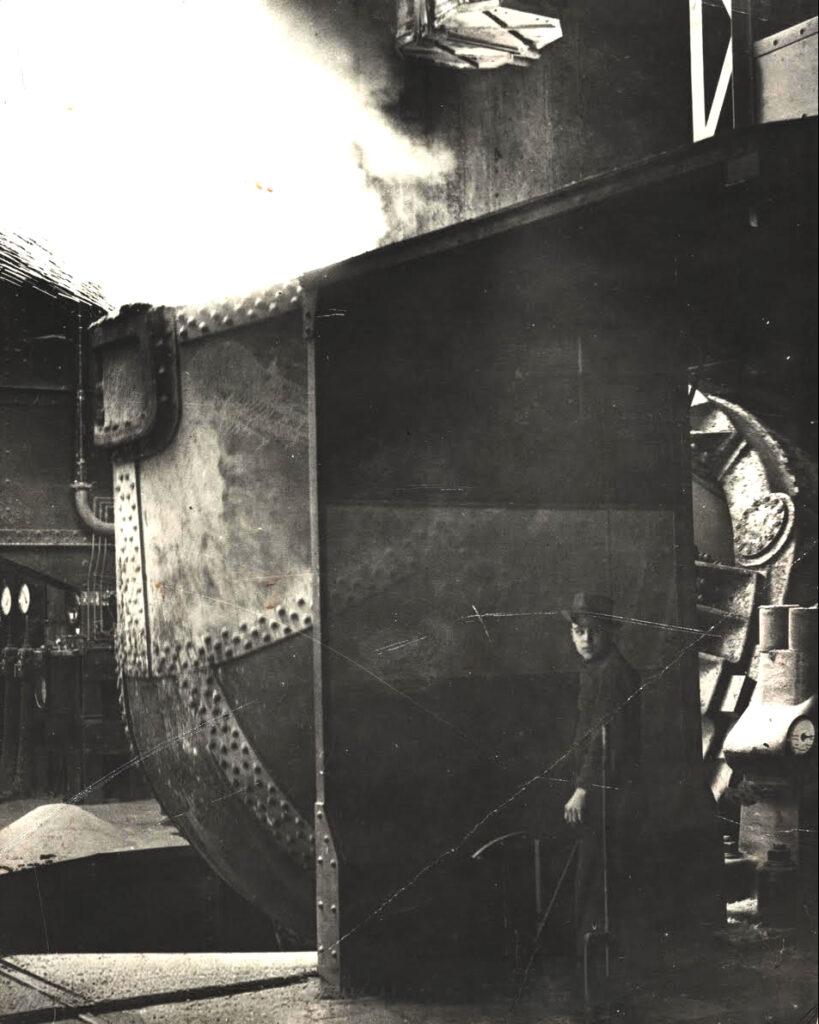
1932 Stewarts & Lloyds relocates
Stewarts & Lloyds relocates from Glasgow to Corby, enabling it to make use of the local iron ore to feed their blast furnaces and Bessemer steel converters. Thousands of Scottish workers head south to what became known as "Little Scotland".
1930 Cellophane
Invented in 1908 by Swiss textile engineer Jacques Brandenberger, cellophane is a thin, transparent sheet made of regenerated cellulose derived from plant fibers like wood or cotton. From the 1930s, cellophane transformed grocery shopping by allowing customers to visually inspect food before buying.
1933 Robinsons Royal Visit
The Duke of York, later King George VI, visits Robinson's in his capacity as the President of the Industrial Welfare Society.
1933 Love on the Dole
Walter Greenwood's Salford based novel depicts life in depression-era Britain.
1934 Sing as We Go!
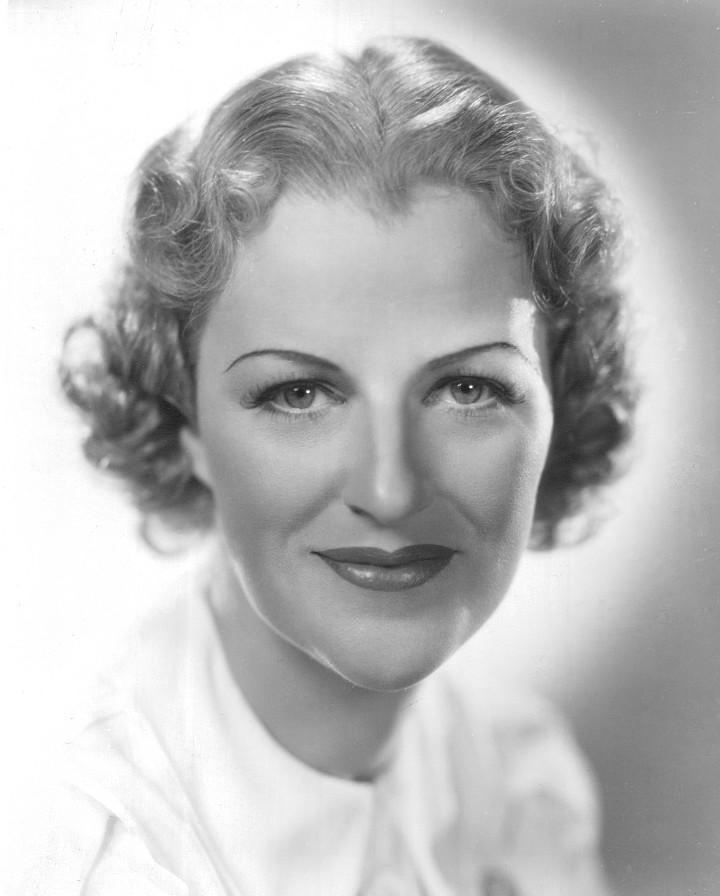
Directed by Basil Dean, Sing as We Go! stars Grace Fields as a laid off mill worker who goes to Blackpool and finds work at a fun fair.
Hugh, the mill-owner's son, falls for Gracie's room-mate Phyllis, and she assists their romance, although in love with Hugh herself. When the artificial-silk millionaire Sir William Upton happens to meet Hugh, they strike a deal and Upton takes over and re-opens the mill. Gracie returns to Manchester, comforted by the thought that she has helped provide work again for the mill-workers.
Gracie Fields was a star of cinema and music hall, and the highest paid film star in the world in 1937.
1934 Stewarts & Lloyds
The first blast furnace is lit. The village of Corby becomes an industrial town.
1936 The Jarrow March
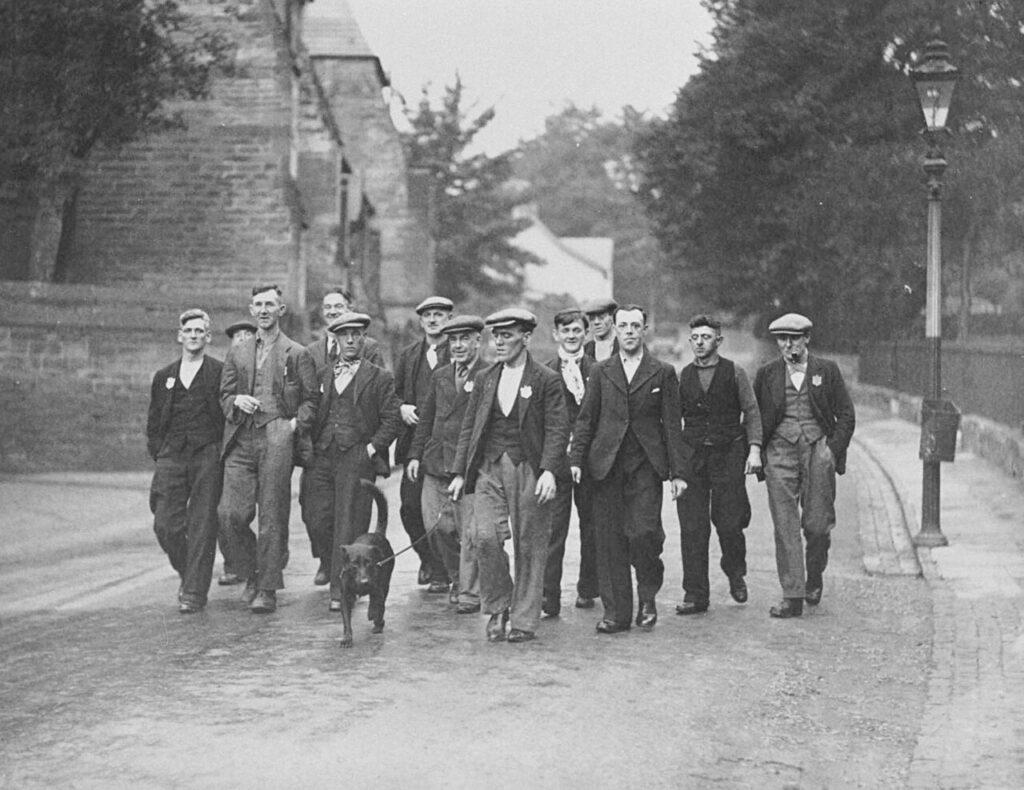
In October, 200 unemployed men from Jarrow, Tyne and Wear, set out on a march to Parliament, carrying a petition signed by 12,000 demanding a new steelworks after the closure of Palmer’s Shipyard left thousands unemployed and in poverty.
Walking nearly 300 miles, the marchers took almost a month to reach London, arriving on 31 October. They set out each day at 8.45 am for their 25-day march. Many marched army style, walking for 50 minutes and resting for 10 minutes.
This decade defining event helped to foster a change in attitudes, which paved the way for improved working conditions.
1937 Factories Act
The Act abolished the legal distinctions between workshops and factories, and between textile and non-textile factories, applying a unified code to all factories. Provisions included requirement for factories to remain clean and free from drain odours, mandating fresh-air ventilation, proper lighting, floor drainage and sanitary conveniences. As well as mandating wholesome drinking water, washing facilities, clothing accommodations, seating for female workers, and first-aid boxes.
1937 The Road to Wigan Pier
George Orwell's book documents his sociological investigations of the bleak living conditions among the working class in the industrial areas of Northern England before World War II. The second half is an essay on the development of his political conscience, questioning British attitudes towards socialism.
1938 Little John Drums
Robinson and Sons introduces a spiral tube winding machine and production of ‘Little John Drums’, a spiral-wound cylindrical cardboard tube box, invented John Bradbury Robinson II in 1924. Today, the phrase is still used as a traditional industry trade name within British manufacturing circles to describe rigid, round cardboard cylinders—most recognizable to consumers as the style of container used for Pringles crisps, hot chocolate powders, and vintage chemist containers.

1940 The Stars Look Down
Carol Reed's acclaimed film, starring Michael Redgrave and Margaret Lockwood, was based on A J Cronin's1935 novel. Set in a North East England coal mining community from before the First World War through the 1930s, it is a powerful, righteous examination of industrial capitalism, class exploitation, and the fight for miners' safety.bout injustices in a mining town in North East England. Reed's other films include The Third Man and Oliver!
1942 The Beveridge Report
Officially entitled Social Insurance and Allied Services, the government report, drafted by Liberal economist William Beveridge, proposes widespread reforms to the system of social welfare to address the "five giants on the road of reconstruction: Want, Disease, Ignorance, Squalor and Idleness".
Overwhelmingly popular with the public, it formed the basis for the post-war reforms known as the welfare state, which include the expansion of National Insurance and the creation of the National Health Service.
1943 Going to Work
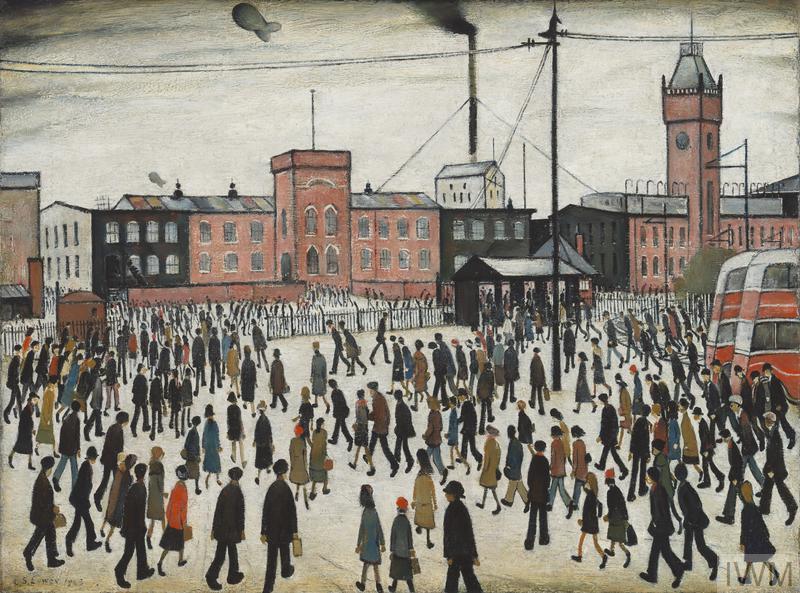
An official commission by the War Artists Advisory Committee, L S Lowry's painting reflects the constant and unforgiving demands of wartime manufacturing felt both locally in Manchester and across all of Britain's industrial towns.
1944 - 1948 The Butler Act and other legislation
The 1944 Education Act, known after the Education Minister, R.A. Butler, fundamentally restructured the school system in England and Wales. It made secondary education universal and free for all children for the first time, ending the pre-war reliance on fees and scholarships and raised the school leaving age to 15. It introduced the Tripartite System, with placement into secondary schools determined at 11 via the 11-plus examination. Results decided whether children went to one of three school types: Grammar, Technical, and Secondary Modern.
By 1965, half the 106 Local Education Authorities in England and Wales had plans to switch to comprehensive schools, and the others were considering it.
Other Acts that help establish the modern welfare state include:
1945 Family Allowances Act meant cash benefits were paid to mothers
1946 National Insurance Act created a single universal system of contributions from workers and employers to fund state pensions, sickness and unemployment benefits and maternity leave
1946 National Health Service Act created the NHS, providing free medical care for all citizens
1948 National Assistance Act provided a safety net for those in extreme poverty who did not qualify for National Insurance benefits
1947 Independence and Partition
Ending nearly 200 years of British rule, Partition splits the subcontinent into two separate sovereign nations: the Union of India and the Dominion of Pakistan. An estimated 12 to 17+ million people are forced to migrate across the new borders in one of history's largest mass displacements. Communal riots—particularly severe in the Punjab region—resulted in an estimated 200,000 to 2 million deaths, alongside widespread sexual violence and the abduction of tens of thousands of women.
1948 Windrush
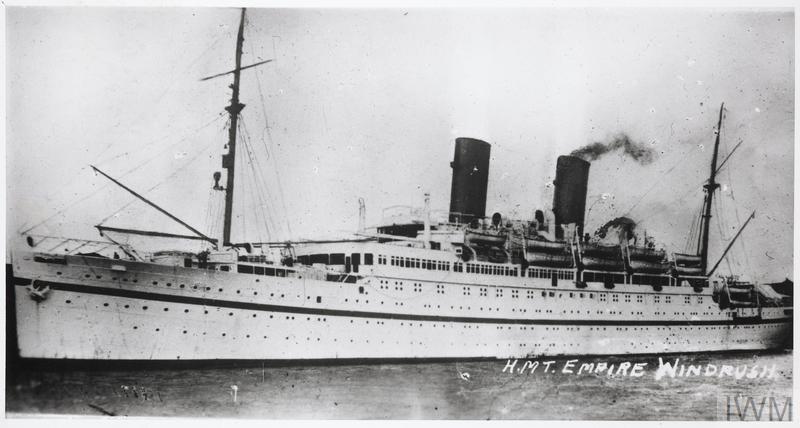
The HMT Empire Windrush docked at Tilbury Docks, near the Thames Estuary, on 22 June 1948, with over 1,000 passengers, including hundreds of Caribbean migrants and Second World War veterans. It marked a foundational moment for the Windrush Generation and post-war migration to Britain.
In 2018, the Windrush scandal broke, revealing that thousands of long-term UK residents - primarily Commonwealth citizens who arrived from the Caribbean between 1948 and 1973 - had been wrongly classified as illegal immigrants, stripped of their rights, detained, and in at least 83 cases, unlawfully deported.
1948 The National Health Service
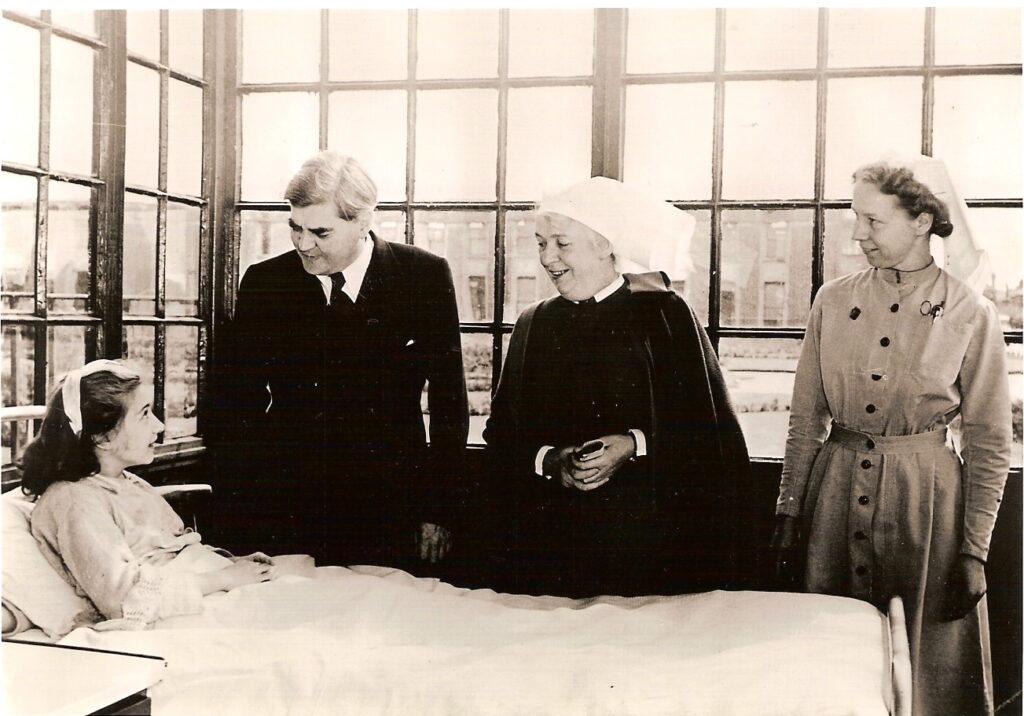
The 1946 National Health Service Act comes into effect on 5 July 1948, providing for the establishment of a comprehensive health service for England and Wales. Separate legislation is produced for Scotland and Northern Ireland. The Act brings together a wide range of medical services under one organisation, including hospitals, doctors, nurses, pharmacists, opticians and dentists. Local voluntary hospitals are brought into national public ownership and organised by regional hospital boards, family doctors became self-employed and local authorities hold responsibility for community services including immunisations, maternity clinics and community nurses.
1949 – 1952 Nappies
Robinson and Sons develops Paddi and Cosifits, becoming one of the first manufacturers of disposable nappies.
1940 Music While You Work
A BBC daytime radio programme of continuous live popular music broadcast in the United Kingdom, twice daily on workdays, from 23 June 1940 until 29 September 1967. The programme began with the idea that playing non-stop popular music at an even tempo would help factory workers become more productive.
1949 Dirty Old Town
Written by British folk singer-songwriter, folk song collector, labour activist and actor Ewan MacColl, Dirty Old Town describes life in the factory city of Salford. It is later covered by The Dubliners in 1968 and The Pogues in 1985.
I met my love by the gas works wall
Dreamed a dream by the old canal
I kissed my girl by the factory wall
Dirty old town
Dirty old town
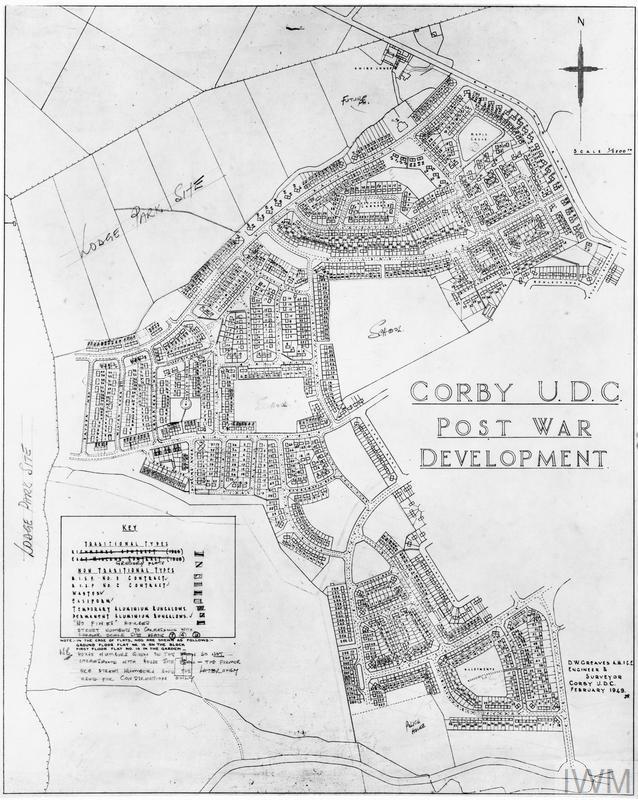
1950 Corby New Town
Corby is designated a Mark One New Town, with a population of 18,000.
1950s - 1960s Smedley become iconic
Smedley becomes the knitwear of choice for some of the era's most celebrated names, including Marilyn Monroe, Audrey Hepburn and The Beatles.
Sean Connery as James Bond wears Smedley in Dr No (1962) and Goldfinger (1964). Daniel Craig as Bond will wear Smedley in Skyfall (2012).

1950s The Synthetic Revolution
Promoted as "wonder products", synthetic garments - made from lab-grown, petroleum-derived fibres, drastically reduce household labour like washing and ironing, freeing up time as more women entered the workforce. The commercial introduction of nylon and polyester fundamentally alters modern consumer culture, manufacturing, and household labour dynamics.
1951 Steel nationalised
The British iron and steel industry is nationalised on 15 February by Clement Attlee's Labour government, the Iron and Steel Corporation of Great Britain becoming the sole shareholder of 80 of the principal iron and steel companies.
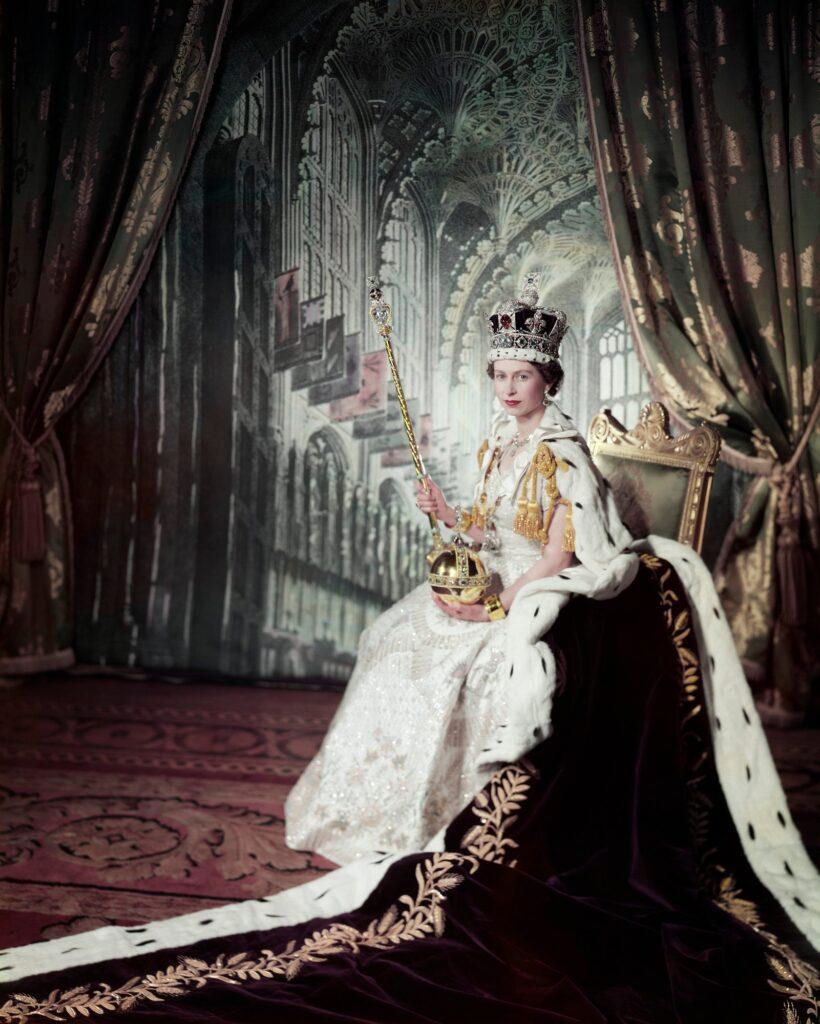
1952 Queen Elizabeth ascends the throne
1953 Steel nationalisation reversed
Winston Churchill’s Conservative government reverses the nationalisation of the UK steel, returning most firms to private ownership.
1955 Rosa Parks
American civil rights activist Rosa Parks' refusal to move from her seat on a bus in Montgomery, Alabama, in defiance of Jim Crow racial segregation laws, sparks the Montgomery bus boycott. She is known as the "mother of the civil rights movement".
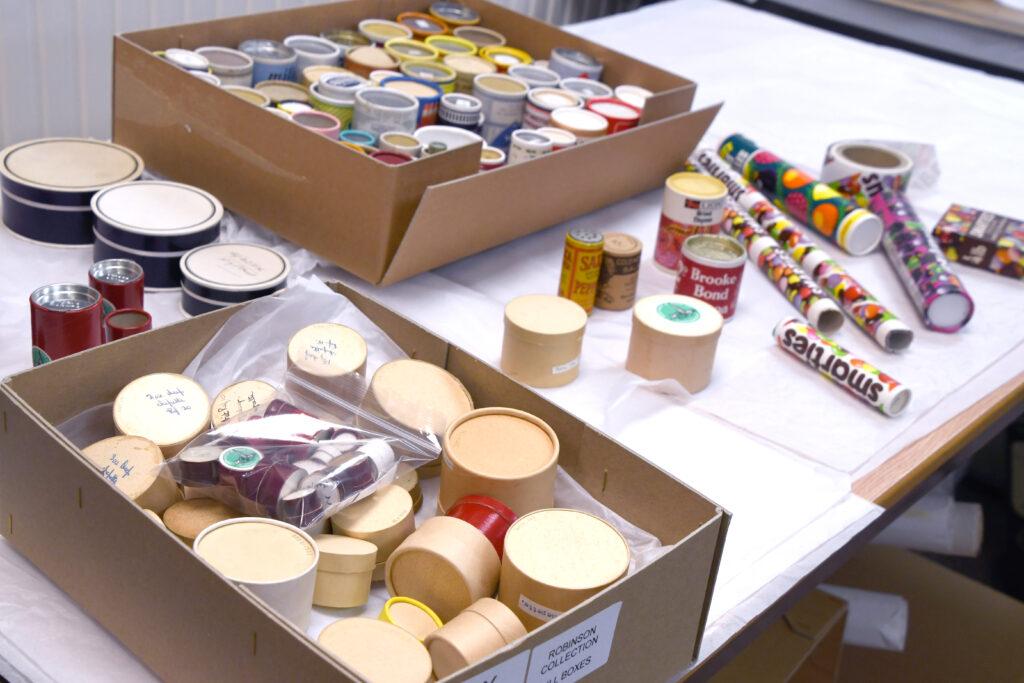
1956 Smarties
Robinsons and Sons begins production of the iconic cardboard tubes for Rowntree's Smarties. Nestlé Rowntree will replace the round cylindrical tube with a hexagonal cardboard "Hexatube" in February 2005.
Smarties launch of their first television commercial, featuring the slogan: Sweetest, treatest, best to eatest, made by Rowntree
1956 Aran
Vogue Knitting publishes an Aran pattern, introducing complex cable and textured hand-knitting to a massive global audience.
1956 Coal is Our Life
Coal is Our Life: An Analysis of a Yorkshire Mining Community is a sociological study by Norman Dennis, Fernando Henriques and Clifford Slaughter that explores the social, economic, and cultural fabric of Ashton - a pseudonym for the real-world town of Featherstone in West Yorkshire.
A man's centres of activity are outside his home… He works, plays and makes contact with other men and women outside his home … the husbands of Ashton for preference come home for a meal after finishing work and as soon as they can feel clean and rested they look for the company of their mates.
1957 Family and Kinship in East London
Family and Kinship in East London is a sociological study of an urban working class community and the effects of post-war housing policy based on three years of researcher by Michael Young and Peter Willmott, for the London Borough of Bethnal Green.
Very few people wish to leave the East End. They are attached to Mum and Dad, to the markets, to the pubs and settlements.
1957 Bubble Wrap
Bubble wrap, originally intended as textured wallpaper, is invented by American engineer Al Fielding and Swiss chemist Marc Cavannes.
1958 Saturday Night and Sunday Morning
Alan Sillitoe's novel explores the life of Arthur Seaton, a 21 year old lathe operator at the Raleigh Bicycle Factory
in Nottingham. It was made into a film in 1960 starring Albert Finney - one of a series of "kitchen sink" dramas made in the late 1950s and early 1960s, as part of the British New Wave of filmmaking.
Don't let the bastards grind you down!
1957 Radio Ballads
The groundbreaking radio documentary is first broadcast on the BBC. The format by folk singers Ewan McColl and Peggy Seeger and radio producer Charles Parker features songs and spoken words from the stories of rarely-heard communities.
The trio together made eight radio ballads between 1958 and 1964. MacColl wrote songs especially for them, many of which have become folk classics. Subjects included Travellers, herring fishing communities in East Anglia and Scotland, boxers and teenagers.
John Axon was a railway man to steam trains born and bred.
He was an engine driver at Edgeley loco shed.
For forty years he followed and served the iron way.
He lost his life upon the track one February day.
The Ballad of John Axon, first broadcast 2 July 1958
1959 I'm Alright Jack
"As Britain emerged from post-war austerity in the 1950s, director John Boulting and his producer brother Roy wrung comedy from changing times in a series of films poking fun at various institutions."
In I'm Alright Jack, starring Peter Sellers as a militant shop steward, factory bosses’ scheming greed and their employees’ stubborn self-interest collide in a satire on the British at work and on strike.
1959 Men of Consett
Directed by Tom Stobart and produced for the British Iron and Steel Federation on the eve of re-nationalisation, Men of Consett (26") highlights the daily lives and culture of steelworkers in County Durham.
Watch Men of Consett on the Yorkshire Film Archive/North East Film archive website.
1962 The Loneliness of the Long Distance Runner
Directed by Tony Richardson and based on Alan Sillitoe’s 1959 short story, the films features potent social commentary on class through following Colin Smtih, a rebellious youth (played by Tom Courtenay) sent to borstal for stealing from a bakery.
The best thing to do is be cunning and stay where you are. I'm going to let them think they've got me house trained, but they never will, the bastards. To get me beat, they'll have to stick a rope around my neck.
1963 US President John F Kennedy assassinated
1963 Contracts of Employment Act
Introduces statutory minimum notice periods based on length of service and requires employers to provide written particulars of employment terms.
1963 Billy Liar
John Schlesinger's comedy, based on the 1959 novel by Keith Waterhouse, stars Tom Courtenay as Bradford undertaker’s assistant escaping dreary reality through daydreams.
1963 The Making of the English Working Class
New Left historian E.P. Thompson's social history takes a humanist approach, reshaping the study of social and labour history.
The process of industrialisation is necessarily painful. It must involve the erosion of traditional patterns of life. But it was carried through with exceptional violence in Britain..
I am seeking to rescue the poor stockinger, the Luddite cropper, the “obsolete” hand-loom weaver, the “utopian” artisan, and even the deluded follower of Joanna Southcott, from the enormous condescension of posterity. Their crafts and traditions may have been dying. Their hostility to the new industrialism may have been backward-looking. Their communitarian ideals may have been fantasies. Their insurrectionary conspiracies may have been foolhardy. But they lived through these times of acute social disturbance, and we did not. Their aspirations were valid in terms of their own experience…”
1965 Redundancy Payments Act
The Act establishes that employees have a legal right to compensation when dismissed due to redundancy when a business or specific work requirements cease or diminish.
1965 Race Relations Act
The first legislation in the UK to prohibit racial discrimination and followed previously unsuccessful bills. It banned racial discrimination in public places and made the promotion of hatred on the grounds of ‘colour, race, or ethnic or national origins' an offence.
Introduced in response to the increasing number of people who had moved to the UK from other Commonwealth countries, it was criticised for failing to address vital areas where discrimination was most prevalent - employment and wider aspects of acquiring accommodation. This led to the passing of the 1968 Race Relations Act, which made unlawful acts of discrimination within employment, housing and advertising.
1965 Saved
Edward Bond's play about the cultural poverty and frustration of a generation of young people on the dole and living on council estates is staged at the Royal Court, London.
Because of scenes of violence, it was originally refused a licence by the censor, the Lord Chamberlain's office, and performed only to private audiences. The Lord Chamberlain decided to prosecute those who were involved in the production of the play. Laurence Olivier wrote to The Observer: "'Saved' is not a play for children but it is for grown-ups, and the grown-ups of this country should have the courage to look at it."
The case led to the Theatres Act of 1968, and the abolition of stage censorship.
1960s The height of British industrial employment
British manufacturing industries employ over 8.5 million, a higher proportion (30% of the population) than before or since. The proportion drops as Britain enters an extended period of deindustrialisation. Today, manufacturing's share of the national workforce is around 7%.
1966 Aberfan
On 21 October a colliery spoil tip collapses into the Welsh mining village of Aberfan. A massive wave of liquefied coal waste slides down the mountain, destroying the Pantglas Junior School and several homes. 116 children and 28 adults are killed.
The Aberfan Disaster Tribunal officially placed responsibility on the National Coal Board.
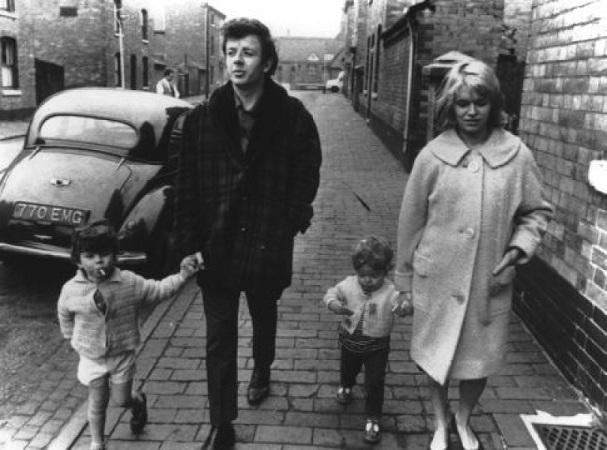
1966 Cathy Come Home
Ken Loach's film for the BBC is a documentary style drama that tells the crushing story of a family facing severe poverty and homelessness due to the father obtaining an injury that leaves him unable to work. It was watched by 12 million people - a quarter of the UK population at the time. The charity Crisis was set up the following year.
1967 Sexual Offences Act
Homosexual acts are no longer criminalised provided they are consensual, committed in private, and both men were aged 21 or older. The law does not apply to the Armed Forces or merchant navy crews. Scotland reforms its laws later in 1980, and Northern Ireland follows in 1982.
1967 Iron and Steel Act
Harold Wilson’s Labour government brings 14 private steel-producing companies - including Stewarts & Lloyds, and accounting for roughly 90% of UK steel production - under public ownership to create the British Steel Corporation.
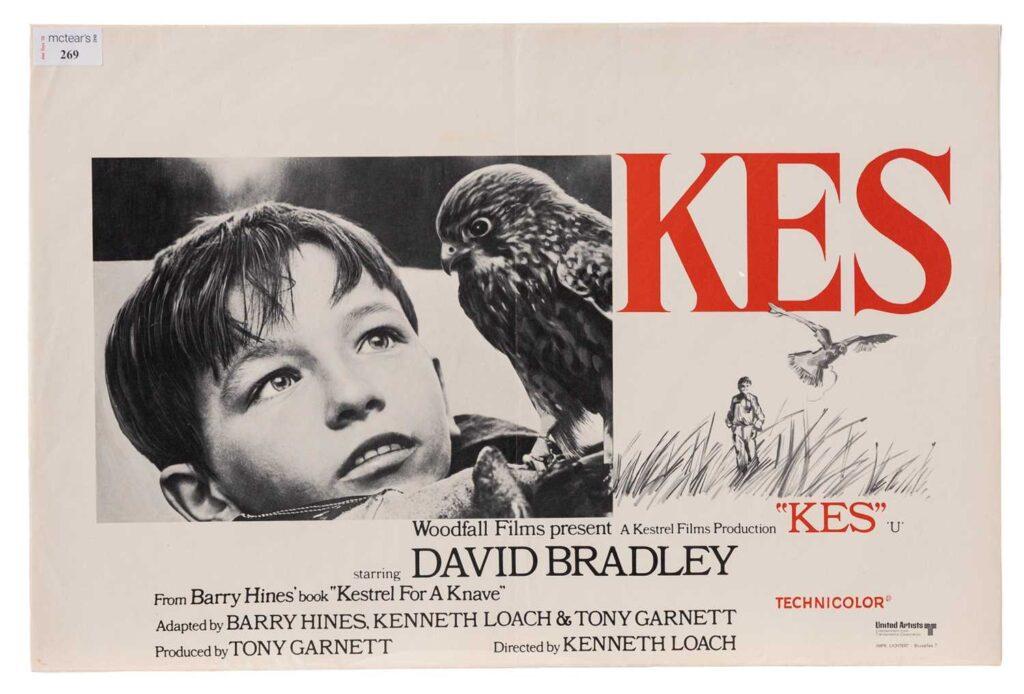
1968 A Kestral for a Knave
Barry Hines' novel is set in Barnsley and follows Billy Casper, a young working-class boy troubled at home and at school, who finds and trains a kestrel whom he names "Kes". A film of the book by Ken Loach is released in 1969.
1968 The Affluent Worker
A landmark study John Goldthorpe, David Lockwood, Frank Bechhofer, and Jennifer Platt, interviewing high-wage manual workers and their wives at three major industrial firms in Luton (Vauxhall Motors, Skefco, and Laporte).
The study tests the popular 1950s idea that rising wages were turning manual workers into middle-class citizens ("embourgeoisement"). Workers interviewed saw their jobs merely as a means to an end (earning money) rather than a source of personal satisfaction or workplace friendship. Lives centered heavily around the nuclear family and home rather than traditional working-class neighborhood communities or collective unions. The workers did not adopt middle-class social values or abandon support for the Labour Party.
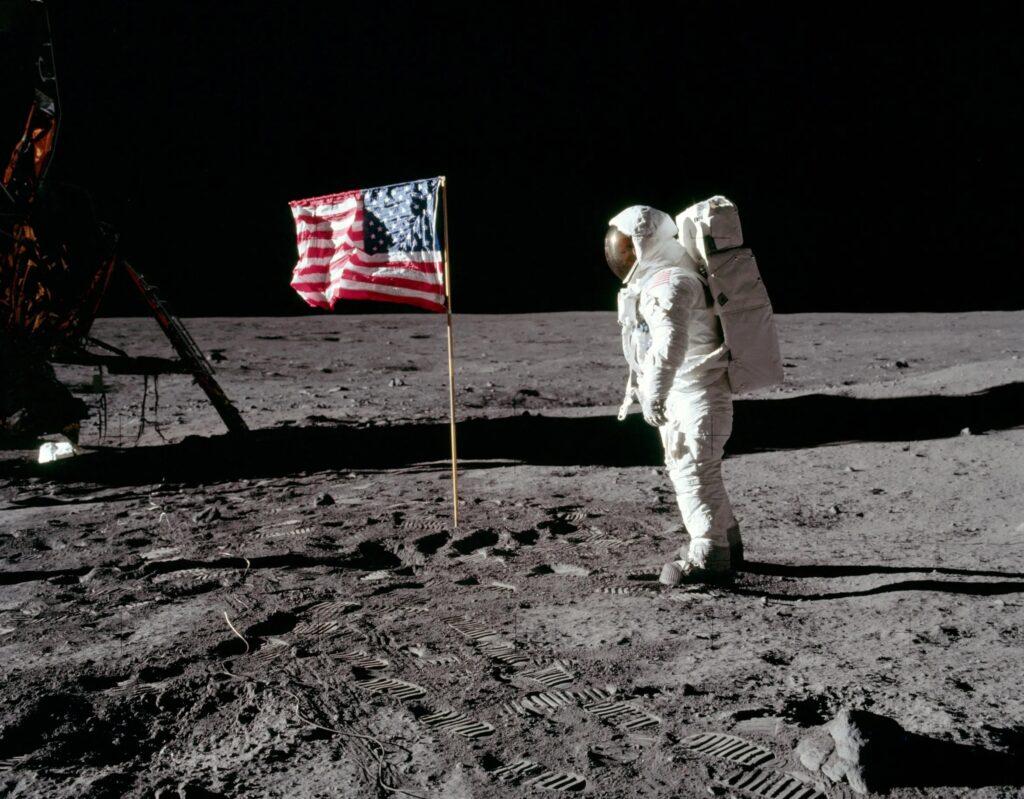
1969 Apollo 11 lands on the moon
1970 Pulp
Mark Webber, the drummer inn Pulp, is born in Chesterfield.
1971
Edward Heath’s Conservative government nationalises Rolls-Royce, preventing it from going into receivership.
1971 Industrial Relations Act
The goal was to stabilise industrial relations by forcing concentration of bargaining power and responsibility in the formal union leadership, using the courts. The act was intensely opposed by unions, and helped undermine the government of Edward Heath. The Trades Union Congress (TUC) under the leadership of General Secretary Vic Feather campaigned against the legislation with a nationwide "Kill the Bill" campaign. The Act was repealed by the Trade Union and Labour Relations Act 1974 when the Labour Party returned to government.
1972 Miners' Strike
The first official national miners' strike since 1926. Flying pickets severely disrupt fuel supplies, resulting in massive power cuts. A State of Emergency is declared on 9 February.
1973 UK joins the European Economic Community
In 1975, under Prime Minister Harold Wilson, a national referendum confirmed continued EEC membership with a 67.2% yes vote.
1973 The Classic Slum
Roberts describes the period of his Salford childhood when the main effect of poverty was degradation. Combining personal anecdotes with historical research, the book discredits the myth of "the good old days".
The homes of the very poor contained little or no bought furniture. They made do with boxes and slept in their clothes and in what other garments they could beg or filch. Of such people there were millions.
1974 Trade Union and Labour Relations Act
Introduced by Harold Wilson's Labour government under the "Social Contract" agreement with the trade union movement, it scraps Edward Heath’s Conservative 1971 Industrial Relations Act.
1974 Health and Safety at Work Act
The act defines general duties on employers, employees, contractors, suppliers of goods and substances for use at work, persons in control of work premises, and those who manage and maintain them, and persons in general.
1974 -1990 See Red Women's Collective
A feminist collective printing studio, producing material aiming to combat sexist images of women and contribute towards the visual culture of the Women's Liberation Movement.
1975 Equal Pay
The Equal Pay Act of 1970 comes into force so that men and women are paid the same wage for the same job.
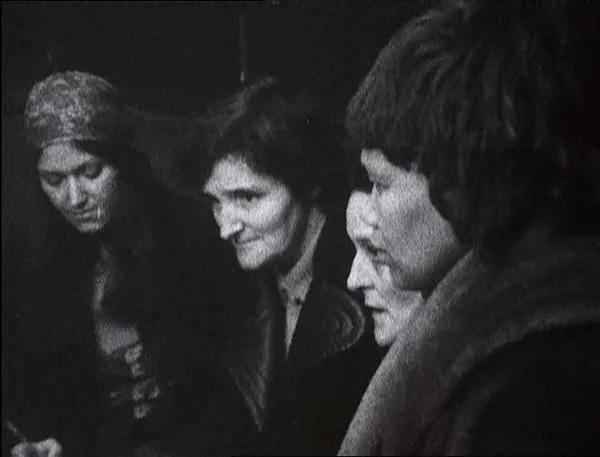
1975 Nightcleaners
A pivotal documentary by the Berwick Street Collective chronicles the early 1970s campaign by the Cleaners' Action Group to unionise low-paid, heavily victimised women office cleaners in London.
1978 - 1979 The Winter of Discontent
During the freezing winter of 1978 to 1979, workers across the country went on strike to protest stagnated wages. The walk-outs impacted many parts of day-to-day life, including healthcare, transport, waste collection and road haulage.
1979 Prime Minister Margaret Thatcher
Thatcher became Prime Minister on 4 May. She was the longest serving British prime minister of the 20th century and the first woman to hold the office.
1979 The Steel Crisis
A national strike over pay and job losses is followed by the closure of major plants at Consett, Corby and Shotton. Over 20,000 jobs are lost, reducing industry employment by half between 1979 and 1981.
The British Steel Corporation announced the closure of the Corby steelworks on 9 February, leading to the shutdown of the plant by 1980 and the loss of over 10,000 jobs.
1980 Steel production ends at Corby
Steel production ends on 21 May. 10,000 lose their jobs.
1980s Recession
Triggered by the Conservative government's monetarist policies to combat high inflation, the early 1980s UK recession was the most severe economic downturn in Britain since the Second World War.
Official unemployment doubled, exceeding 3 million by 1982 and peaking at around 3.3 million, around 12% of the workforce, by 1984, a level not seen since the Great Depression. It remained above 3 million until 1987. Manufacturing output dropped by nearly a third, leading to widespread plant closures and the severe economic decline of traditional industrial heartlands in the North, Scotland, and Wales.
1980s Westwood, Smith, Burberry
Through the 1980s, John Smedley is producing knitwear for labels including Burberry, Paul Smith, and Vivienne Westwood.
1981 Corby Enterprise Zone
Set up by the Thatcher government to combat market failure, the Enterprise Zone introduces tax breaks and a relaxed planning regime to lure manufacturing and light-industry firms to the former steelworks land.
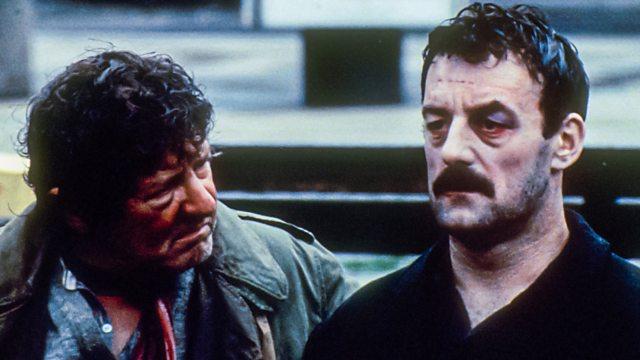
1982 Boys from the Blackstuff
An astute social commentary about life in recession-hit Britain during the Thatcher era, Boys from the Blackstuff is a British television drama series of five episodes, originally transmitted from 10 October to 7 November 1982 on BBC2, written by Liverpudlian playwright Alan Bleasdale.
TV's most complete dramatic response to the Thatcher era and as a lament to the end of a male, working class British culture. (BFI)
1993 General Election
The governing Conservative Party, under the leadership of Margaret Thatcher, wins a landslide victory with a majority of 144 seats. It is the most decisive election result since the Labour Party won a 146-seat majority in 1945 and is the first of two consecutive landslides for the Conservatives.
1984 Bhopal
On 3 December around 45 tons of highly toxic methyl isocyanate (MIC) gas leaks from a pesticide plant operated by Union Carbide India Limited in Bhopal, Madhya Pradesh, India. Over 500,000 people in the vicinity of the plant are exposed in what is considered the world's worst industrial disaster. as well as the largest chemical disaster in Indian history. Estimates vary on the death toll, with the official number of immediate deaths being 2,259. Others estimate that 8,000 or more died from gas-related diseases.
In 1989, Union Carbide Corporation pays $470 million to settle litigation stemming from the disaster.
1984 The Miners' Strike
The dispute begins in March when the National Coal Board (NCB) announces plans to close 20 state-owned pits, threatening 20,000 jobs, backed by Prime Minister Margaret Thatcher's strategy to curb the power of trade unions. The strike ends without a peace settlement on 3 March 1985, as depleted funds and returning workers forced a return to work. It resulted in mass pit closures, over 11,000 arrests, and a steep decline in British trade union influence.
1984 - 1999 Stewarts & Lloyds site
Corby Borough Council undertakes an intensive, 15-year dismantling and urban regeneration program to clear the remaining heavy industrial infrastructure. The hasty demolition and transportation of uncovered heavy industrial sludge in open lorries leads to a landmark legal battle and in 2009 the council is found liable for negligence after airborne toxic dust caused a spike in birth defects in the local area.
1984 Steeltown
The second studio album by Scottish band Big Country. The title track is about Corby and how many Scots went to work at the Stewarts & Lloyds steelworks when it opened in 1935.
1985 Equal Pay (Amendment) Act
Amends the Equal Pay Act 1970 to ensure women in the UK have the legal right to claim equal pay for work of equal value compared to men, even if they are not doing identical or like-for-like jobs.
1988 British Steel plc
British Steel is privatised.
In 1999 it merges with the Dutch steelmaker Koninklijke Hoogovens to form the Corus Group.
In 2007 it is acquired by Indian conglomerate Tata Steel.
In 2016 Tata Steel sells its long products division to investment firm Greybull Capital, which revives the historic British Steel name.
In 2019 the company is placed into compulsory liquidation after struggling with financial losses and failing to secure government loans, and is purchased by Chinese conglomerate Jingye Group.
Following financial strain, operational cutbacks, and emergency parliamentary legislation under the Steel Special Measures Act / Steel Industry (Nationalisation) Act, the UK government intervenes and brings British Steel back into public ownership on 16 July 2026.
1989 Fall of the Berlin Wall
The Berlin Wall was a fortified concrete and barbed-wire barrier that encircled West Berlin from 1961 to 1989, separating it from East Berlin and communist East Germany (GDR)
1989 The World Wide Web
Tim Berners-Lee invents the World Wide Web, merging merged computers, data networks, and hypertext into a global information-sharing system.
1990s Industrial decline
In the UK, manufacturing's share of the economy falls from 19.4% in 1990 to 15.3% by 1999, while global shares of UK manufacturing exports decline from 6.2% to 5.4%
1995 Disability Discrimination Act
A landmark piece of UK legislation makes it unlawful to discriminate against disabled people in employment, education, transport, and the provision of goods, facilities, and services. It places a positive duty on employers and service providers to make reasonable adjustments (such as physical building modifications, IT access, or flexible working) to prevent disabled people from being substantially disadvantaged.
1998 Working Time Regulations
Introduce the right to statutory paid holiday, breaks from work, and attempts to limit excessively long working hours.
1999 National Minimum Wage Act
Introduces the first national minimum wage, applying around 1.9 million workers across the United Kingdom, with the highest impact on sectors like retail, hospitality, and cleaning. Initial rates are set at £3.60 per hour for workers aged 21 and over, and £3.00 per hour for workers aged 18–21.
In 2026, the National Living Wage for workers 21 and over is £12.71 per hour. The Living Wage Foundation voluntary rate is £13.45 per hour.
1999 Maternal and Paternal Leave Regulations
Overhals family leave rights, though statutory paid paternity leave for fathers is not introduced until 2003
2001 9/11
A series of four coordinated terrorist attacks are carried out by the Islamist extremist group al-Qaeda against the United States.
Nineteen al-Qaeda hijackers commandeered four commercial airliners:
American Airlines Flight 11 crashes into the North Tower of the World Trade Center in New York City at 8:46 AM.
United Airlines Flight 175 crashes into the South Tower of the World Trade Center at 9:03 AM.
American Airlines Flight 77 crashes into the Pentagon outside Washington, D.C., at 9:37 AM.
United Airlines Flight 93 crashes into a field in Shanksville, Pennsylvania, at 10:02 AM after passengers and crew fought back against the hijackers, preventing the plane from hitting its intended target in Washington, D.C.
2,977 people plus the 19 hijackers die during the attacks.
2003 John Smedley ceases commercial spinning
John Smedley had previously spun and supplied bulk woollen yarn to major third-party customers, including Marks & Spencer. In the early 2000s, M&S demanded a 20% price reduction on raw materials, a margin that Smedley could not sustainably absorb.
The decision aligned with a broader, systemic decline in the wider UK textile sector, which saw total manufacturing capacity halve over the surrounding two decades. While many competing brands completely offshored their factories, John Smedley chose to protect its "Made in Great Britain" legacy. Instead of mass-producing raw yarn, the company completely restructured to focus on its own high-end, luxury fine-knit garments, a niche quality-first approach that ultimately returned the brand to profitability.
2004 Facebook
Built by Mark Zuckerberg alongside college roommates and co-founders Eduardo Saverin, Dustin Moskovitz, Chris Hughes, and Andrew McCollum at Harvard University. TheFacebook.com goes live on 4 February. Within 24 hours, more than 1,200 students register, expanding to over half the undergraduate population within a month.
In June the company moves its operations to Palo Alto, California, and receives its first major outside investment of $500,000 from PayPal co-founder Peter Thiel.
In 2026, Meta reaches more than 3.9 billion monthly active users.
2006 Employment Equality (Age)
Regulations makes it illegal to discriminate against employees and job seekers because of their age.
2008 Lehman Brothers
A severe global economic downturn is triggered by the collapse of the U.S. subprime mortgage market - lenders issued risky home loans with low or zero down payments to borrowers with poor credit, backed by low interest rates from the Federal Reserve - and the failure of major financial institutions. It lead to the deepest and longest recession since World War II.
Lehman Brothers (New York City) files for bankruptcy on 15 September, marking the largest bankruptcy in U.S. history.
In the UK, Northern Rock and Bradford and Bingley are nationalised.
2008 Barack Obama
Barack Obama is elected 44th, and first African American, President of the USA.
2008 Pensions Act
Coming in to force incrementally from 2012, it establishes a legal framework for automatic enrollment into workplace pensions.
2010 Equality Act
Codifies existing discrimination legislation, combining over 116 separate acts and regulations into a united legal framework.
2012 James Bond
James Bond (played by Daniel Craig) wears a John Smedley Bobby v-neck pullover.

2015 Paris Agreement
A legally binding international treaty on climate change is adopted on 12 December. Objectives include holding the global average temperature increase to well below 2°C above pre-industrial levels, while pursuing efforts to limit the increase to 1.5°C, and to Net Zero - achieving a balance between human greenhouse gas emissions and removal in the second half of the century.
The U.S. signed the agreement in April 2016 under President Barack Obama.
President Donald Trump announced the first U.S. withdrawal in June 2017, which officially took effect in November 2020.
President Joe Biden signed an executive order to rejoin on his first day in office in January 2021, with the U.S. officially re-entering the agreement the following month.
President Trump signed an executive order on January 20, 2025, initiating a second withdrawal.
2015 Modern Slavery Act
Legislation designed to combat modern slavery, consolidate previous human trafficking offenses, and increase corporate accountability.
2016 Brexit referendum
The UK votes to leave the EU by 52% to 48%.
2020 WORK
Four artists make films exploring contemporary working lives in the Midlands. The foundation project that led to WORK Records.

2020 - 2023 COVID-19
A highly contagious respiratory infection caused by the SARS-CoV-2 coronavirus. First identified in December 2019, it triggers a global pandemic that transformed international public health. The World Health Organization (WHO) estimated that the COVID-19 pandemic was linked to approximately 22.1 million excess deaths (including both direct and indirect deaths) globally between 2020 and 2023.
"Excess deaths" are the difference between total deaths that occurred and the number expected under normal conditions, capturing direct deaths from the virus as well as indirect deaths caused by overburdened healthcare systems, missed treatments, and disruptions.
Before COVID-19, 4.7% to 12% of UK employees or working adults usually worked from home at some point during the week (according to ONS and Annual Population Survey data). In 2026, remote and hybrid work has stabilised as a permanent fixture: 28% of UK workers follow a hybrid model (mixing home and office days), 13% are fully remote (working entirely from home), and 43% work exclusively from the office.
2024 John Smedley's 240th anniversary
The luxury knitwear brand is still based at Lea Mills and recognised as the world's oldest continuously operating manufacturing factory still in production.
2026 WORK Records