Dr Stefan Ramsden
Our WORK Records Project Historian, Dr Stefan Ramsden, is a social historian who researches and writes about working-class history across the mid to late twentieth century. He uses objects, documents and oral histories to uncover experiences of change and continuity across a period in which there were dramatic upheavals in patterns of working life.
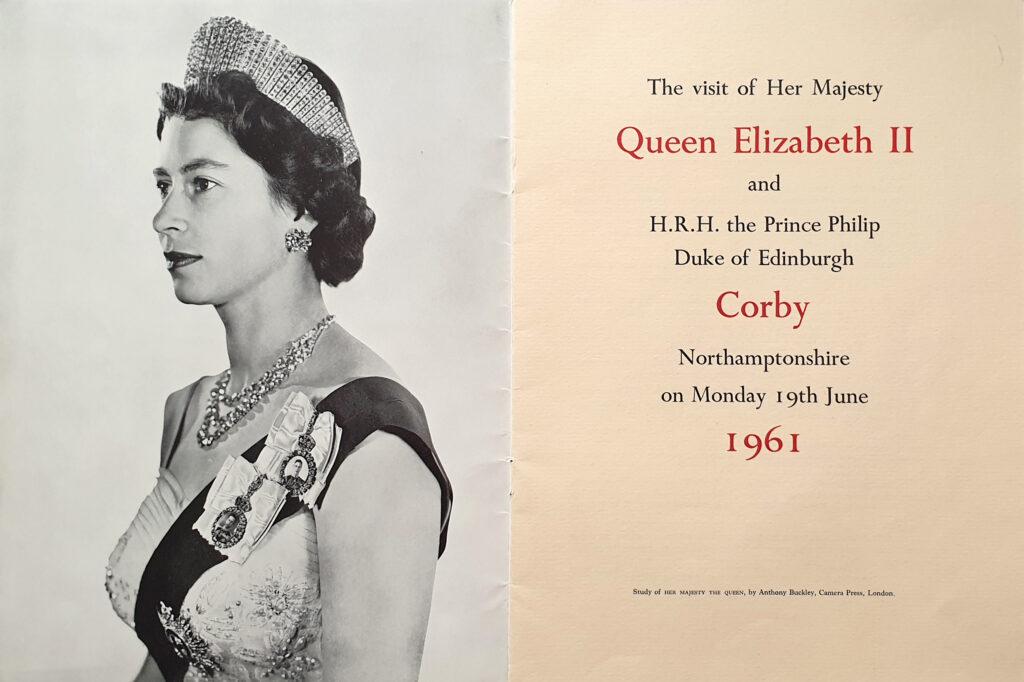
Members of the royal family have made official visits to factories across Britain since the 19th century, but it was during the 20th century that such visits became more frequent and assumed an important role in the relationship between monarchy and people.
Factory visits made by George V and his wife Mary in 1912 and 1913 were a turning point. In the 19th century, European monarchs often relied on displays of royal magnificence, pomp and ceremony, to cement their aura as heads of their national and imperial communities.
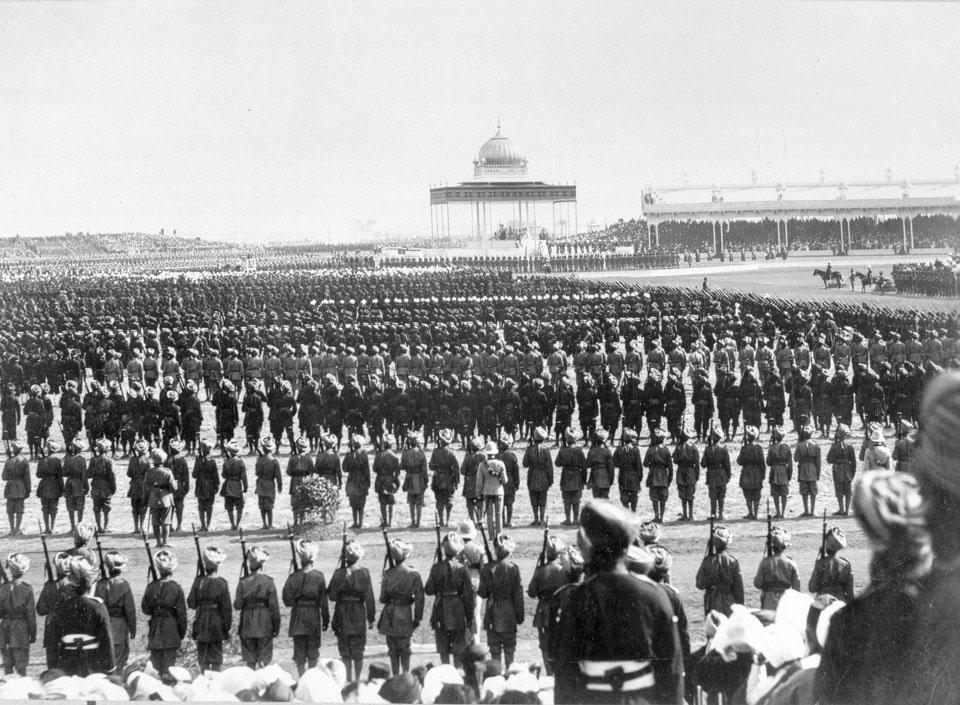
George V’s appearance at the Delhi Durbar in 1911, marking his ascension as Emperor of India was typical of this presentation of royal power: the royal couple appeared in an enormous specially built grandstand in Delhi, with 10,000 officials and dignitaries and 50,000 public in attendance, the King/Emperor wore a crown containing 6,100 diamonds and received homage from all of the princes of India (Wikipedia). However, in the visits he and Mary made to collieries, steelworks, mills and other industrial workplaces across south Wales, Yorkshire and Lancashire one year later, in 1912 - 1913, the style was very different. George and Mary wore ‘serviceable’ clothes, and took tea in workers’ cottages, in a deliberate and choreographed attempt to convey not magnificence but accessibility and relatability.
As with the Delhi Durbar, the visits were intended to be amplified well beyond the local context through the print press and the new media of cinema. These tours to the factories and homes of industrial Britain were a royal response to a particular conjunction of domestic political threats facing the monarchy and the established order more generally at this time, including: the rise of an assertive and politically active working class; the suffrage movement; a crisis in party politics that resulted in the curbing of the power of the House of Lords (Mort, 2019). George V and Mary sought to position the monarchy not as symbol of an aloof and authoritarian upper-class but instead at the head of a harmonious national community, in which each level of society worked together for the greater good. As King George toured mines, mills and factories, he repeated his central message: ‘“There is no desire nearer my heart than that all classes of my people should be united in one common weal for the common good”’ (Mort 2019). The fact that the 1912-13 tours took in areas of South Wales that were hotbeds of socialist activism was not accidental – the monarch hoped to counter the socialist threat through direct appeal to popular nationalist and loyalist sentiment.
Factory visits became a standard part of the repertoire of a modern monarchy seeking to establish a relationship with the people that was personal, caring and emollient. This was particularly important in wartime as the royal family sought to bolster morale amongst a populace making sacrifices for a national victory. In the First World War, George V and Mary helped to diffuse working-class discontent with visits to munition factories, mines and shipbuilding yards (Jones 2023). During the Second World, King George VI and Queen Elizabeth visited numerous workplaces to raise morale – a government study found that though productivity dropped on the actual day of the visit, over the week the workplace usually beat its regular output (Imperial War Museum).
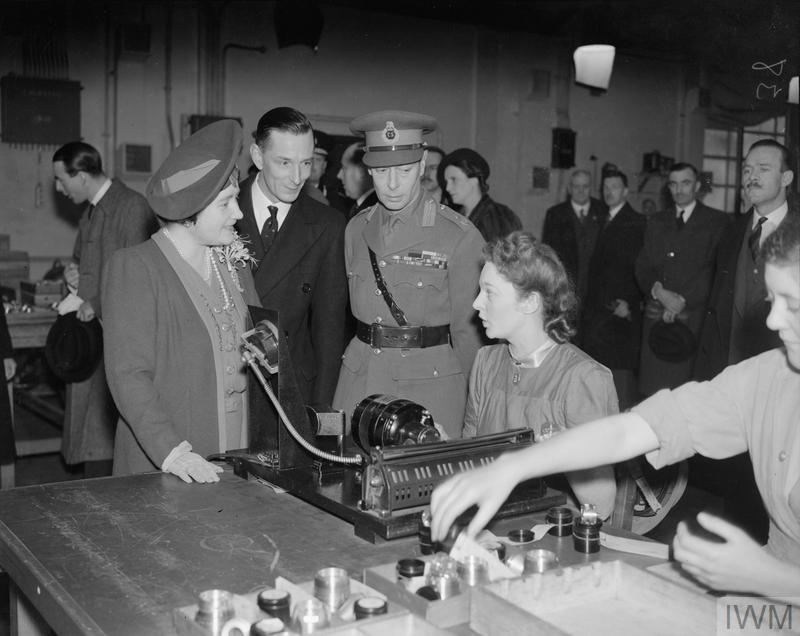
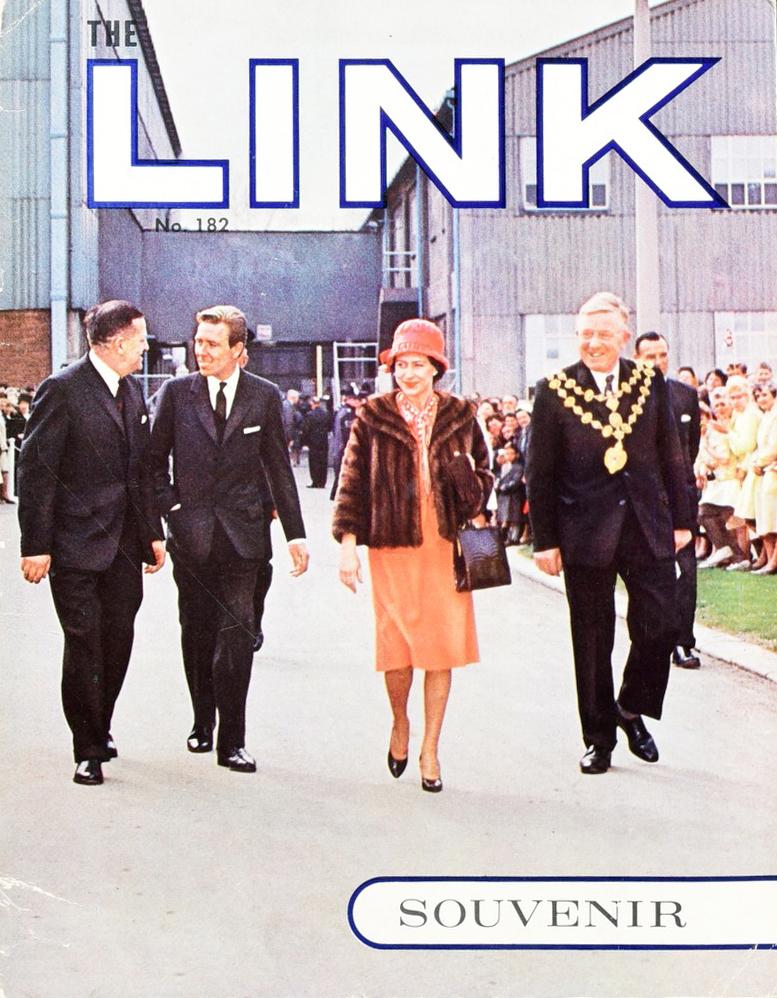
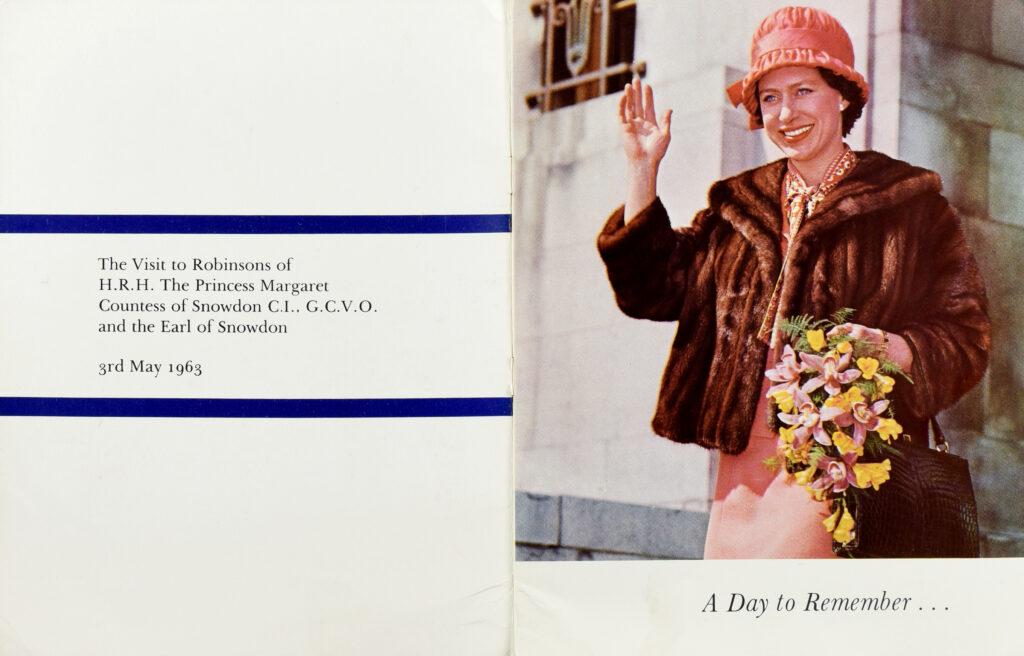
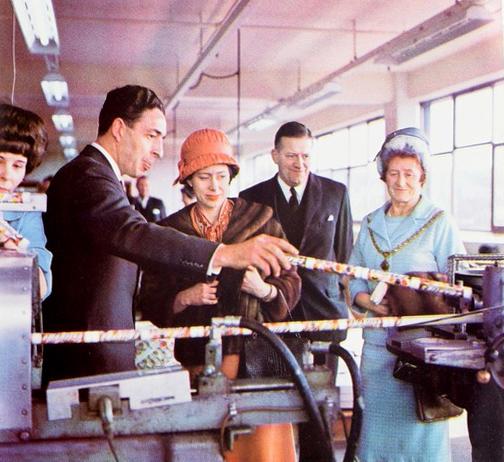
Meeting the people where they were, in factories, offices and homes, seeking and performing a personal connection, helped establish the monarchy as integrated within ‘the people’, symbolising accessibility and shoring up popular support for the institution. This direct accessibility was to the fore when Princess Margaret visited Robinson and Sons’ works in Chesterfield in 1963 – The Link magazine announced that arrangements would be made "for ALL EMPLOYEES to have the opportunity of meeting The Princess at some time during the day" [emphasis in the original].
The caring, personal, accessible modern monarchy performed through factory visits was the same one that threw itself into charitable work, signalling that the amelioration of working-class conditions was something best dealt with through voluntary beneficence rather than political actions. This assumption would have chimed well with the paternalist ideals of many of the industrial firms that the royal families visited – firms like Robinsons, John Smedley and Stewart and Lloyds. Robinson’s The Link magazine reports that the Duke of York ‘was very much impressed with the round of welfare activities unfolded to him’ during his visit to the firm’s Chesterfield factories in 1933.
Many workers in our three industrial firms may have remembered a royal visit as a day in which the national spotlight turned on to their working lives, highlighting their place as part of a national community; this particular piece of integrative alchemy remains an important royal function today, and can be dated back to those industrial tours performed in a new, direct and informal style by George V and his wife Mary in 1912-13.
References
Imperial War Museum, ‘What the Royal Family Did During the Second World War’ (webpage) https://www.iwm.org.uk/history/second-world-war/home-front/what-the-royal-family-did-during-the-second-world-war [accessed 12 October 2026].
Jones, Heather (2023) ‘The Monarchy’ In: Strachan H., (ed.) The British Home Front and the First World War, Cambridge University Press, pp. 49-62.
Mort, Frank (2019) ‘Safe for Democracy: Constitutional Politics, Popular Spectacle, and the British Monarchy 1910–1914’ Journal of British Studies, 58:1, pp. 109-141.
Wikipedia, ‘Delhi Durbar’ (webpage) https://en.wikipedia.org/wiki/Delhi_Durbar#cite_note-16 [accessed 12 October 2026].